UAS in agriculture
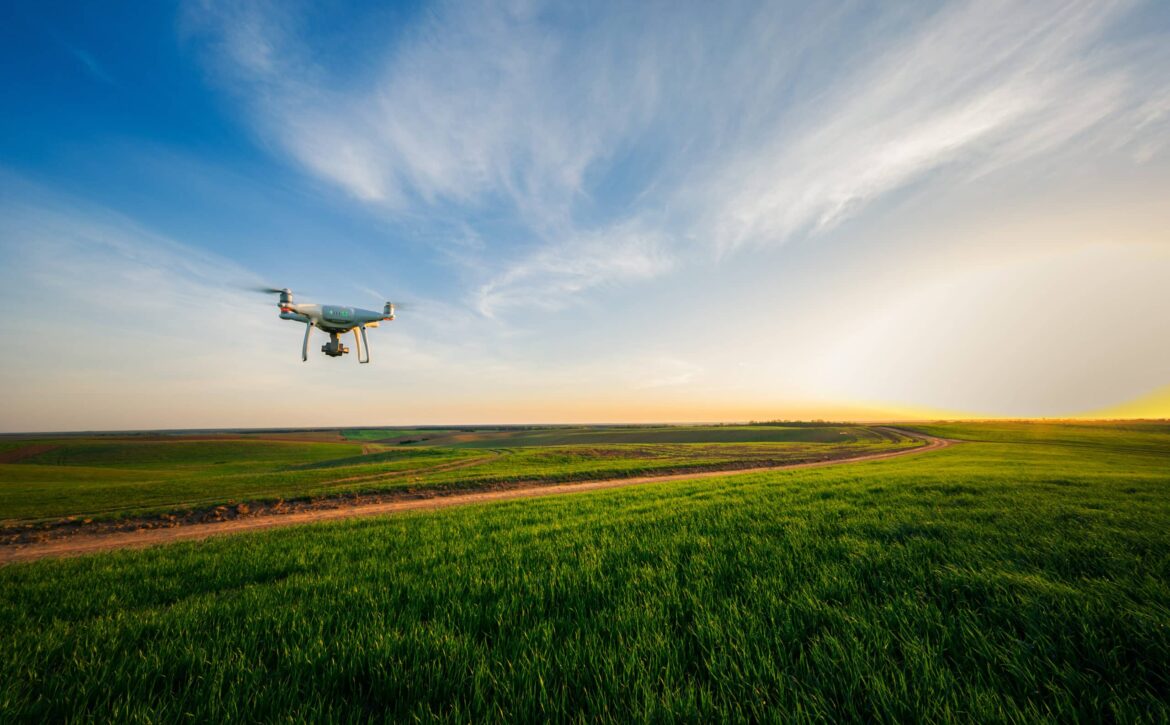
Modern agriculture faces many challenges: securing yields for a growing population and protecting the environment from the consequences of intensive farming. Unmanned aerial systems, commonly known as drones, offer a solution that can increase both efficiency and sustainability.
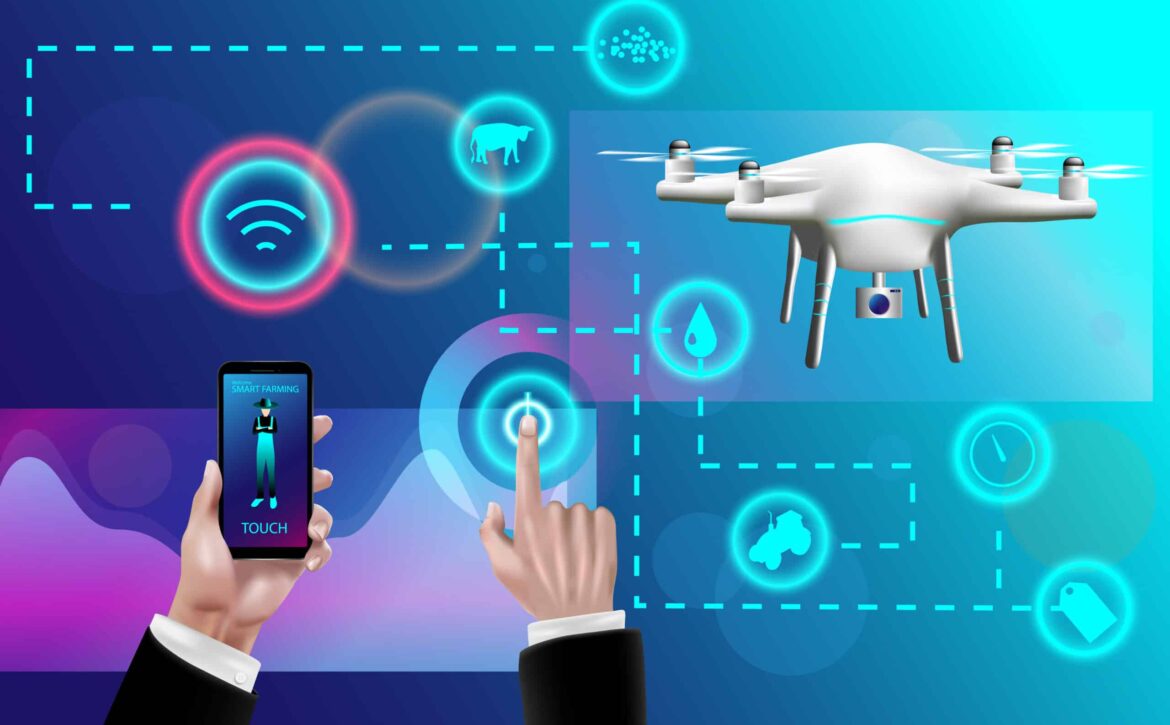
Drones enable the precise use of resources in agriculture, an approach known as "precision farming". Using sensors and other technologies, they collect detailed data that allows farmers to apply fertilizers, water or pesticides precisely where they are needed. This minimizes losses and maximizes yields. Multispectral images also make it easier to monitor plant development and provide early warning signs of nutrient deficiency or pest infestation so that measures can be taken in good time before damage occurs.
Advantages
Another advantage is the speed with which drones can analyze large areas. Compared to traditional methods, which are time-consuming, drones provide usable data in a very short time. Modern software converts this information into precise maps that facilitate decisions on field management and crop planning. This saves time and conserves resources.
Sustainability
Drones also promote sustainability as they reduce the use of chemicals such as pesticides. The targeted use of tools not only protects soil and water, but also minimizes negative effects on the environment. Mechanical weed control methods that support drones further reduce the need for chemicals and promote biodiversity and the sustainable use of agricultural land.
Possible applications
Drones can be used in a wide range of agricultural applications. They are suitable for surveying and mapping areas, monitoring growth processes, pest control and even for automated harvesting processes. They work particularly efficiently in combination with autonomous vehicles, which further reduce the workload.
The future
The future of agriculture will undoubtedly be shaped by technologies such as drones. They help farmers to reduce costs, increase yields and protect the environment at the same time. Despite technical challenges and high acquisition costs, the advantages outweigh the disadvantages, meaning that this technology is already making a decisive contribution to sustainable, efficient and productive agriculture.