7th North German Aviation Forum
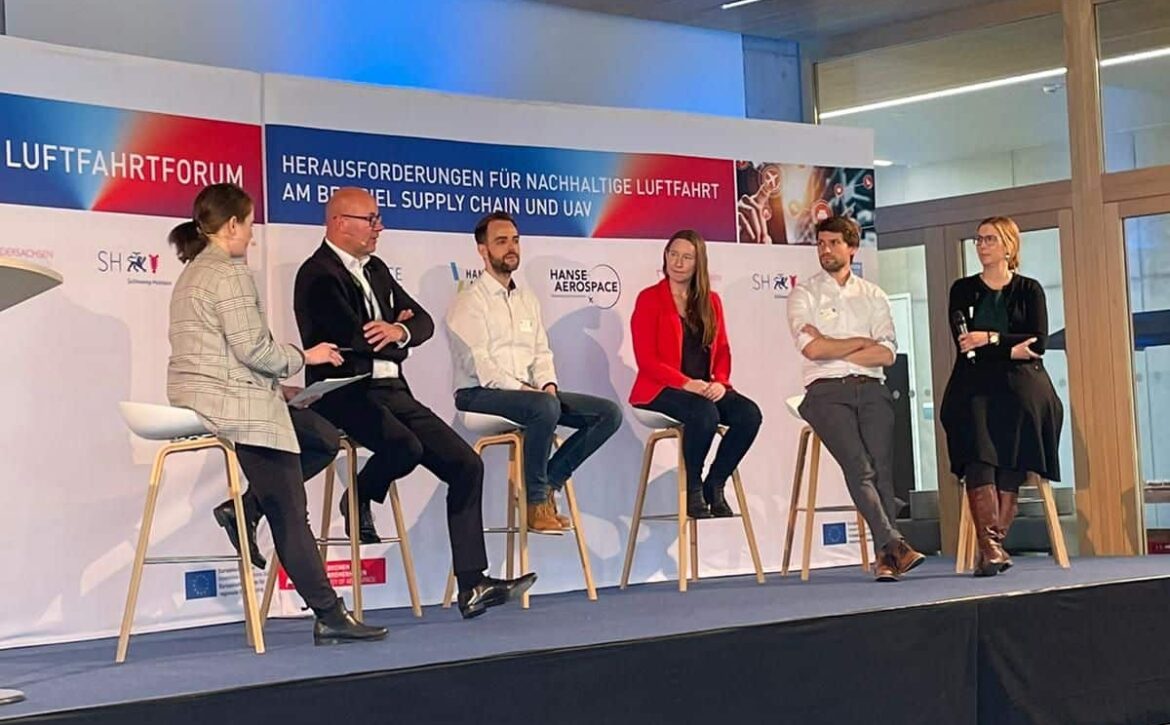
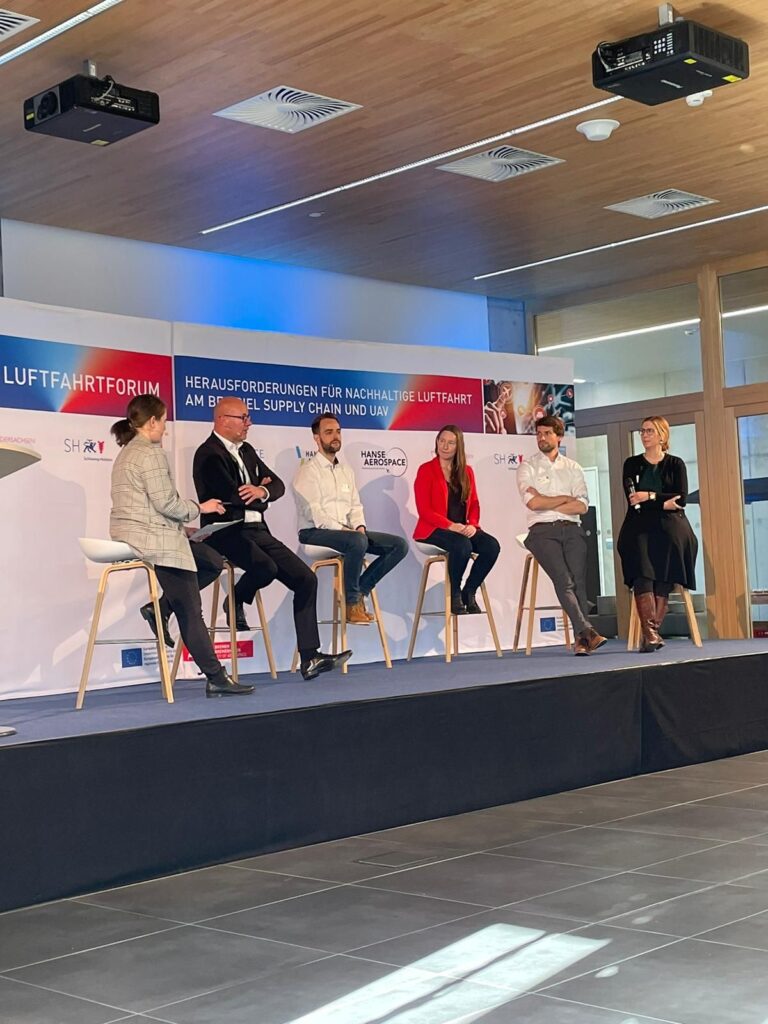
The 7th North German Aviation Forum kicked off in Bremen on October 6, 2022 with over 120 managers and specialists from the aerospace industry. This important aviation event this year was organized by the Senator for Economics, Labour and Europe in cooperation with the host AVIASPACE BREMEN e.V., among others. The event included discussions on supply chains and unmanned aerial vehicles.
Supply chains - 1st part of the event
The 7th North German Aviation Forum was opened with a speech by Kristina Vogt, Senator for Economic Affairs, Labor and Europe. She spoke about the high pressures and challenges facing the industry due to the war in Ukraine, the pandemic and supply bottlenecks. However, local production in particular has a lot of potential due to these developments.
Unmanned aircraft - 2nd part of the 7th North German Aviation Forum
In her opening speech, the Senator called aerospace the central innovation cluster of the North. In addition to the well-known industry giants such as Airbus, small and medium-sized companies in particular have been hit hard by the crises.
Mr. Achim Friedl, Chairman of UAV DACH e.V., the largest German-speaking professional association for UAS use in Europe, gave the introductory lecture on the challenges and opportunities of unmanned aviation. In Germany, there are still considerable obstacles to the integration of unmanned aircraft into conventional air traffic. On the one hand, the EU regulations have yet to be implemented and, on the other, research still needs to be carried out.
With its high number of participants at the 7th North German Aviation Forum, it illustrates the importance of sustainable supply chains and the integration of UAS into manned air traffic, as well as the potential of the industry in northern Germany.