Category: b.r.m.

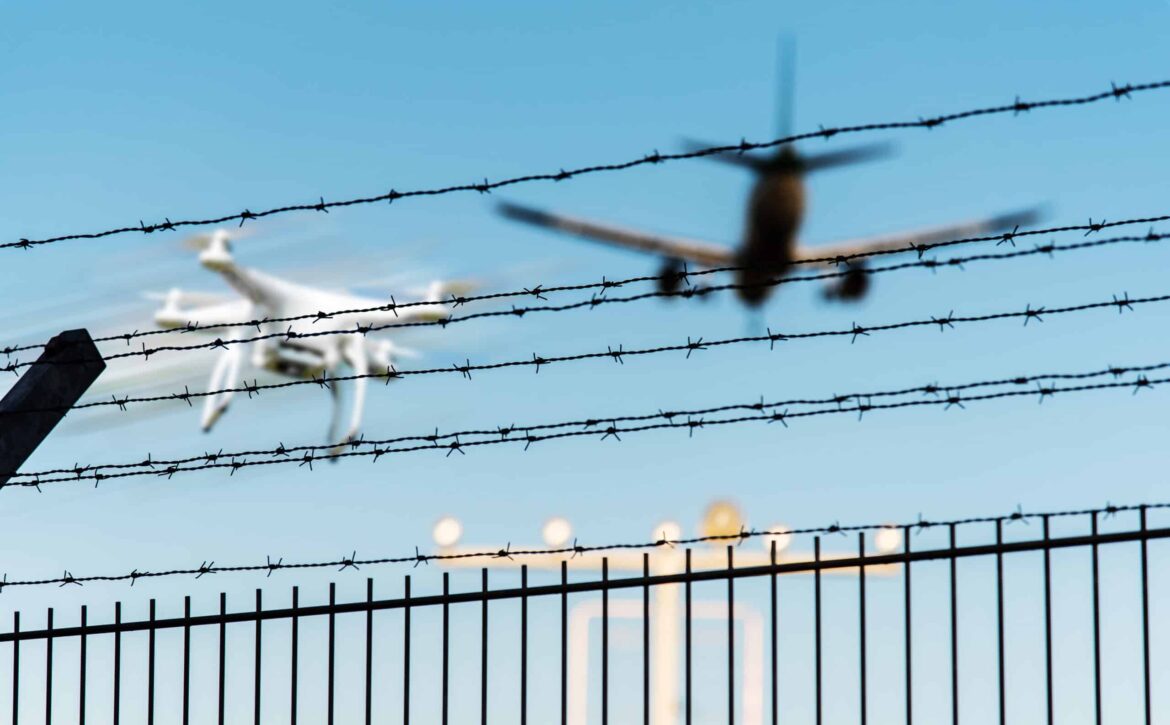
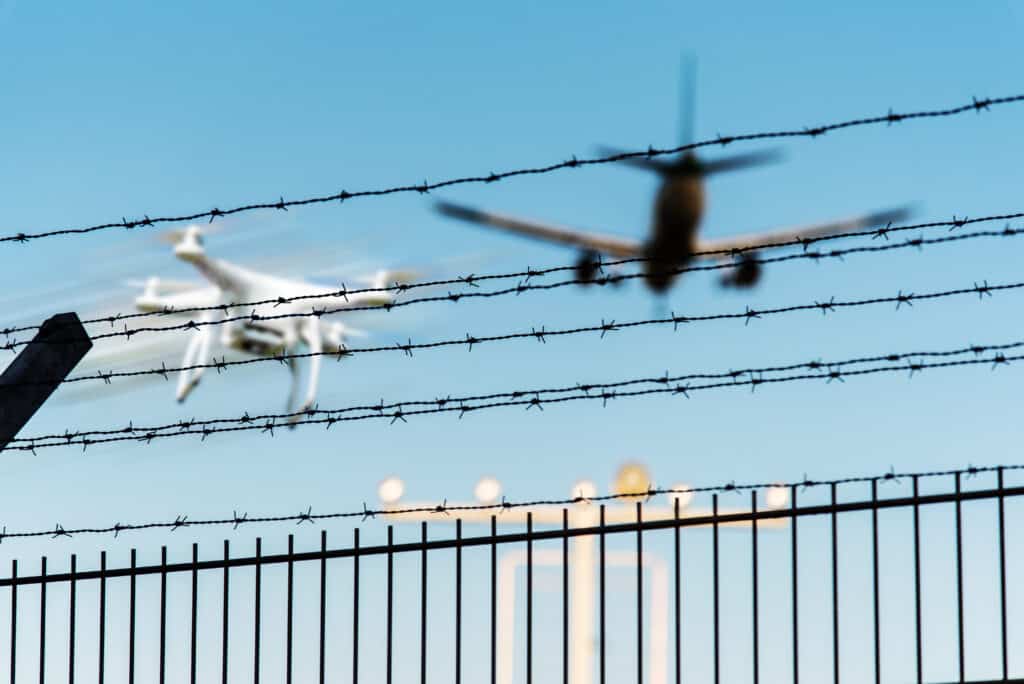
quadcopter drone in flight close to airplane approaching airport runway

NOTAM - Notice to Airmen

In order to be optimally prepared for a UAS and UAV flight, pilots must be aware of new obstacles and other information in addition to the SERA. This works through information from German Air Traffic Control (DFS), the NOTAM.
NOTAM - Notice to Airmen

What is NOTAM?

The acronym stands for notice to airmen. This is information and instructions about changes to the Aeronautical Information Publication (AIP). These changes can be temporary or permanent. They are crucial for orderly, safe and smooth air traffic.

Short-term and urgent instructions, procedures and information from the NOTAM serve as supplementary information for a flight. The fact that changes to the AIP are distributed by post means that they are not necessarily required for new changes.

What does a NOTAM say?

The instructions and information disseminated in a NOTAM are messages about installations, changes and conditions of any aviation facilities, services, procedures or hazards.

A NOTAM therefore warns pilots of obstacles that have been newly installed or are not recognizable due to defective lights, for example. It also contains warnings about drone activity and provides information about temporary flight restriction areas. For example, a disaster control operation site in the event of flooding. This special information is summarized for airlines in a briefing package.

Categories Briefing Package

The briefing package is divided into categories. These are Departure (departure airfield), Enroute (route), Alternate (alternate airfield), Destination (destination airfield) and Company-NOTAM (information that only applies to the airline).

New briefings on the latest amendments and new publications can be found on the DFS website. NOTAMs are also disseminated via the Aeronautical Telecommunications Fixed Network (AFTN).
Unmanned Aircraft System (UAS) Quadcopter Drone Carrying First Aid Package On White.

SAR - Search and Rescue with drone deployment

As drone operations are also an option for emergency services, SAR should be particularly interesting and helpful in some situations. Even though Germany is still relatively inexperienced in this area, it is still worth taking a look at these operations.

SAR - Search and Rescue with drone deployment

What is the SAR?

Search and rescue (SAR) is a safety measure that facilitates search and rescue for emergency services. These are drones equipped with cameras that fly over the relevant terrain and pass on information to the emergency services.

The 2020 pandemic has accelerated the introduction of these drones for public safety. Germany is still lagging behind with this helpful measure. Other countries such as India and the USA are using them in their authorities.

Search and rescue operations as an advantage

Due to their enormous speed and maneuverability, the drones are versatile and can be used in the most difficult situations. This means that injured and missing persons can be located more quickly. This in turn saves the emergency services time and energy, which can later be used to treat the people.

In addition, the equipment of the different types of drones can facilitate the search. Sensors or thermal imaging cameras make it possible to identify ground objects more quickly. In addition, the pilot or the head of operations can give the teams on the ground targeted instructions via loudspeakers on the drone. The camera also ensures precise documentation of the operation.

What exactly does SAR do?

In addition to public SAR teams, there are also private SAR teams in the USA that carry out search and rescue operations. Drone operations are mostly used in areas that are difficult for humans to access or in urgent situations. These drones are used in search operations in the mountains or in the vast forests of the USA. They can also act as a flying light source for emergency services at night, guiding them to injured people. In this way, thousands of lives are saved worldwide every year.

Further information on such drone operations can be found at flytnow.de.

close up student hand using pencil for doing text exam after fin

News from the IHK Examination Board

IHK Examination Board

The IHK examination board is always on the lookout for new members to ensure that we can continue to secure skilled workers in our region in the future. These members should have extensive specialist knowledge and pedagogical skills.

Previously on the IHK Audit Committee

Harald Rossol has been working on the Bremen Chamber of Industry and Commerce examination board for two months now. He is deployed in the areas of IT and application development 407 and has already examined the first candidates together with his colleagues from the committee.

Harald Rossol is appointed to the Audit Committee of the Bremen Chamber of Commerce for the period from 09.05.2022 to 31.08.2024.

Changes to the IHK Examination Board 

The Audit Committee elects one member as Chairman and one member as Deputy Chairman. However, both bodies must belong to different groups of members. For the Audit Committee to be quorate, at least two thirds of the members must participate. The majority of votes cast then elects the chairperson and deputy chairperson.

Harald Rossol was elected and is now Chairman of the IHK Examination Committee. He has become Chairman for the area of application development. His new position naturally also brings new tasks.

What does a chairperson do on the audit committee?

The chairpersons lead the IHK Examination Committee, meaning they are responsible for the organization and workflow within the committee. They are also responsible for ensuring smooth cooperation.

Mr. Rossol's extensive specialist knowledge and many years of experience in the field of IT make him the perfect candidate to chair the Audit Committee. This is also demonstrated by his award-winning IT service company b.r.m., which is a pioneer in IT security and green IT.

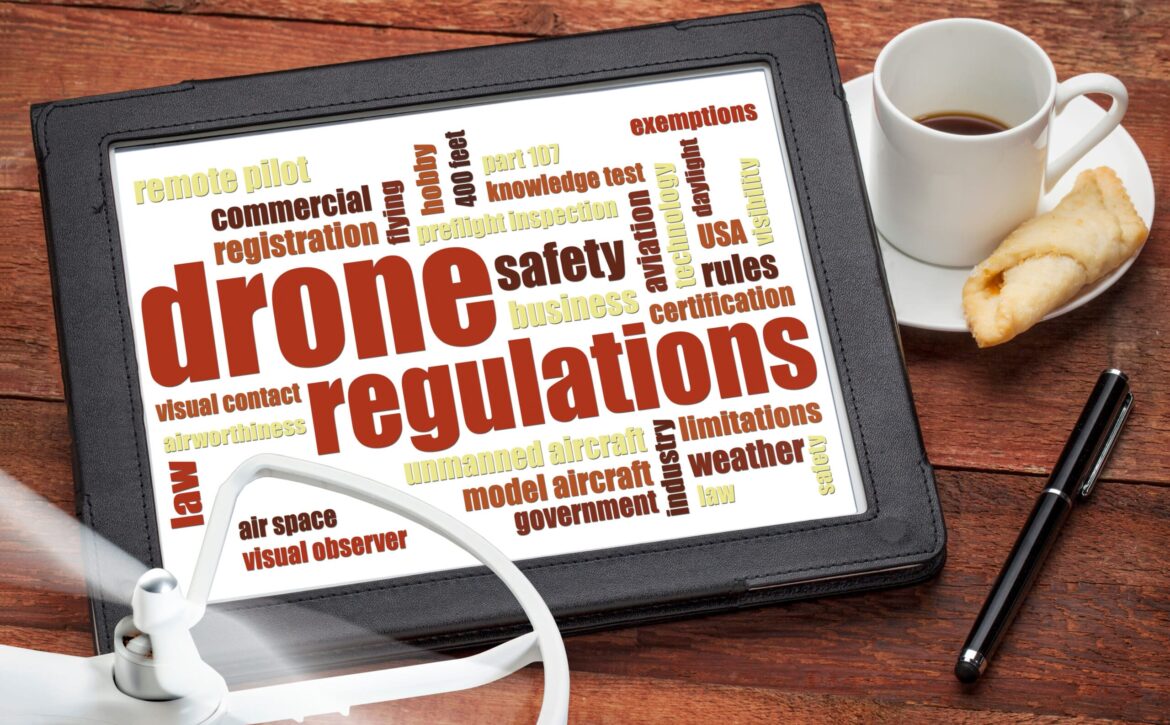
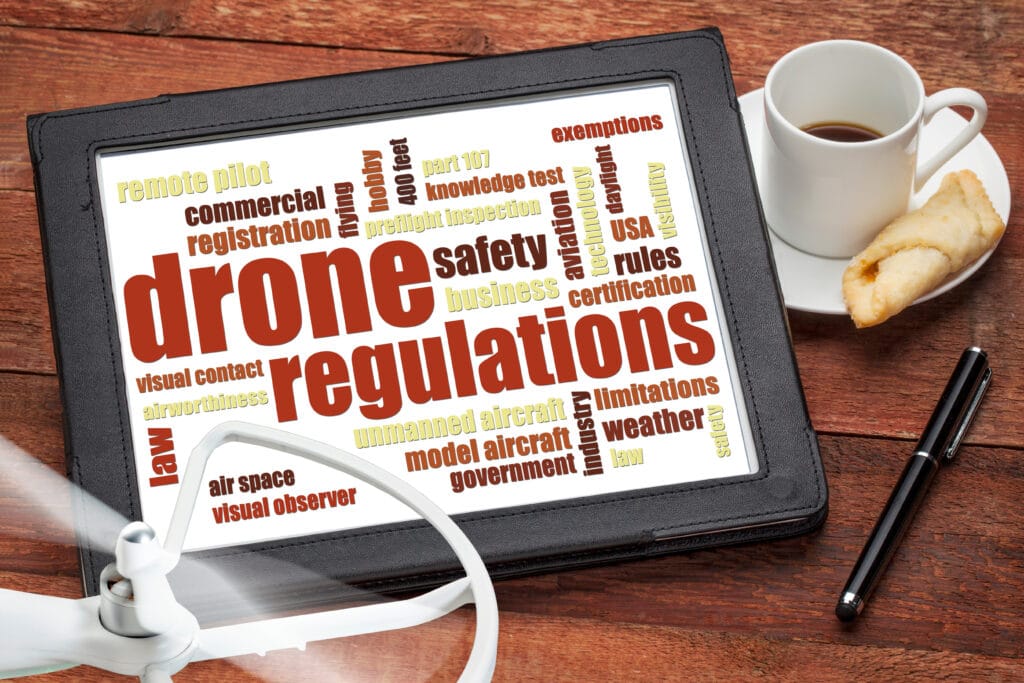
drone regulations word cloud

SERA - standardized rules in European airspace

A new regulation for European airspace has been in force since 05.12.2014: SERA. It creates uniform rules for pilots. These also apply to UAS and UAVs.

SERA - standardized rules in European airspace

Rough content of the SERA (2014)

In Germany, airspace F (Foxtrot) will disappear with immediate effect and will be replaced by the mandatory radio zone (RMZ). The RMZ stipulates that radio communication equipment must be carried and operated for all flights in this airspace. According to German Air Traffic Control (DFS), the RMZ can also be used in airspaces E, F and G.

In addition, the definition of day and night changes. Night is defined as the hours between the end of civil twilight and the beginning of civil dawn. Civil twilight therefore ends in the evening and begins in the morning when the center of the sun's disk is 6° below the horizon. This rule should also not be neglected with regard to the transponder and recognition obligation in airspace. However, as national and European law collide on this point, there will be differences between countries. Nevertheless, civil twilight in Germany lasts around 40 minutes. However, it can be assumed that Germany will stick to the old regulations, as there is already a regulation on day and night in paragraph 2 of the draft of the new Air Regulation.

Further detailed information can be found on the website aerokurier.de.

Latest changes (March 2022)

The revision of the Easy Access Rules (EAR) for the SERA of 2022 resulted from the EASA decision. It includes the introduction of accepted verification procedures (AMC) and guidelines (GM) for radiotelephony phrases for the provision of aerodrome flight information services (AFIS).

In addition, the EAR is displayed in an "easy-to-read" format with advanced navigation features using links and bookmarks. They are also available as dynamic online publications with filters, search functions and navigation for computers, tablets and cell phones.

Further information can be found on the EASA website.

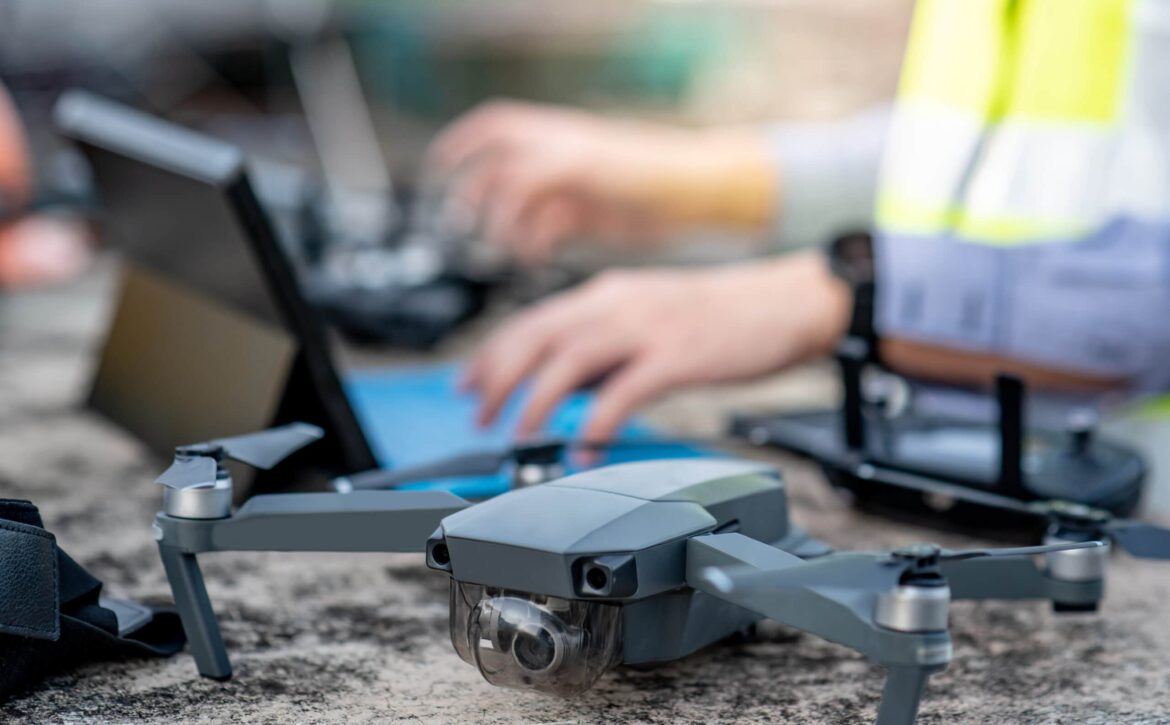
Male worker using drone and laptop for stie survey

Remote pilot license and drone license

To be allowed to fly a drone, you must have a corresponding remote pilot license or a drone driver's license. These two types have been available since the EU regulation of 2019 for controlling UAS in the "Open" class.

Remote pilot license and drone license

Drone driver's license - EU proof of competence

The German Federal Aviation Authority (LBA) requires an EU certificate of competence for the safe operation of a drone. This comprises online training courses and online examinations that must be completed. The online examination consists of 9 subject areas with a total of 40 multiple-choice questions. If no more than 30 questions are answered correctly, the exam must be repeated. It is possible to take these exams several times.

The corresponding document is issued after successful completion of the test. The EU certificate of competence is valid for subcategories A1 and A3 of the "Open" category.

Remote pilot license - EU remote pilot certificate

First of all, an EU certificate of competence is required to apply for this license. This is followed by practical self-training under the conditions of the A3 subcategory. The theory test now takes place at a test center designated by the LBA. This consists of 30 multiple-choice questions from 3 subject areas. Some test centers rely on a combination of practical training and the theory test, which is then taken.

The application for the EU Remote Pilot Certificate must be submitted to the LBA after successful completion. This license is valid for the A2 subcategory of the "Open" class.

Fees for the remote pilot license and drone license

Issuing the EU certificate of competence for A1 and A3 costs €25.00. After payment, the necessary test can be taken as often as required, as the fee is only charged once.

The issue of the A2 remote pilot certificate costs €30.00. After successfully completing an additional theory test, it is possible to apply for a license at an LBA test centre, which charge different fees for the test.

Both licenses are valid for 5 years. In addition, an extension is possible by means of a re-test or refresher course. One testing center, for example, is seabirds.de GmbH near the Oldenburg-Hatten EDWH airfield.

Information about the test centers or further information can be found on the LBA website.

In addition, our employees Strauß and M. Rossol will be happy to answer any questions you may have about drones. You can also follow us on Instagram @b.r.m.Bremen.

Information and communications technology with downtown Los Angeles

ICT Trends 2022

In the age of digitalization and automation, there are always new ICT trends in the world of work. At the end of the year, market researchers, consultants and other experts present their assessments of the trends.

ICT Trends 2022

What is an ICT trend?

An ICT trend describes a tendency in information and communication technology. This creates technical gaps, new opportunities, but also challenges. As every new or old trend has an impact on the world of work and must also react to current circumstances, changes can occur quickly.

For example, the coronavirus pandemic has led to a significant increase in hybrid working and digital meetings. This change calls for new business models and technologies, but these were very limited due to supply bottlenecks.

Working from home and virtual meetings have put a lot of strain on the IT industry during the lockdown. As a result, the issue of IT security and data protection was initially a disaster with far-reaching consequences.

The shortage of skilled workers has been one of the ICT trends for many years. As a result, many companies are striving to optimize their processes and automate their activities on a large scale.

According to experts, the use of cloud infrastructures and their services is set to increase further. These are particularly attractive for companies due to the savings and flexibility they offer. In addition, hybrid cloud strategies offer a promising solution. They are a combination of a service application (SaaS) and on-premise data centers. In this way, data protection and the security of exponentially increasing data growth can be guaranteed.

There is also a democratization of technology. Knowledge and skills are becoming more accessible thanks to high-tech platforms. Process automation and open-source AI applications encourage people to contribute their views and expertise and develop solutions. Democratization thus creates basic innovations throughout the organization that provide practical and cultural support.


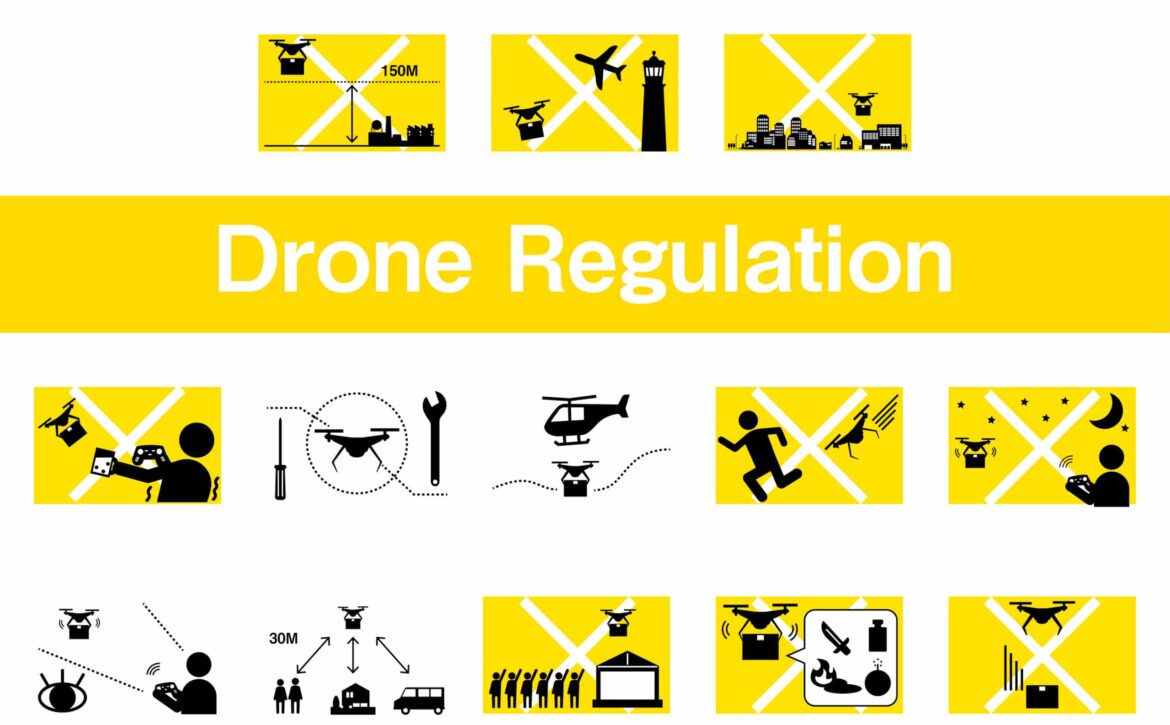
ドローンの法規制を示すシンプルなアイコンセット

JARUS - Regulation of drones

There are many initiatives such as the Joint Authorities for Rulemaking on Unmanned Systems (JARUS) to make the air traffic of UAS and UAVs safer and more advanced. This deals with the regulation of UAS.

JARUS - Regulation of drones

What is the JARUS?

JARUS is a group of experts from the National Aviation Authorities (NAAs) and the regional aviation safety organizations. The group proposes technical, operational and safety-related requirements for unmanned aircraft systems (UAS) in order to better integrate them into air traffic.

Who is part of the initiative?

JARUS members include 65 organizations, 63 countries, as well as EASA and EUROCONTROL.

Di Antonio and Stewart-Smith currently hold the leadership position. The Secretariat is headed by Secretary General Liu Hao and supported by China, Canada and Portugal. Since the end of 2015, there has also been a Stakeholder Advisory Board (SCB), which reflects the interests of all stakeholder communities in the industry and enables them to support JARUS activities.

SCB members include aircraft manufacturers, the UAS industry, aviation safety organizations (ANSPs), standardization bodies, airlines and aviation associations. The JARUS initiative has organized the activities and assigned them to working groups (WGs).

What does it do?

The first working group, "Flight Crew Licencing", deals with the licensing of personnel on board. While the second WG is responsible for "Operations", the third deals with "Airworthiness". Next comes the group for "Detection and Avoidance" and the group for "Command and Control". The sixth working group deals with "safety and risk management". The last is the group on "operational concepts".

In addition, the working groups can also make use of external consultants for further expertise. However, the consultant must first be appointed by the SCB.

A detailed overview of the tasks of the individual WGs can be found on the JARUS website.

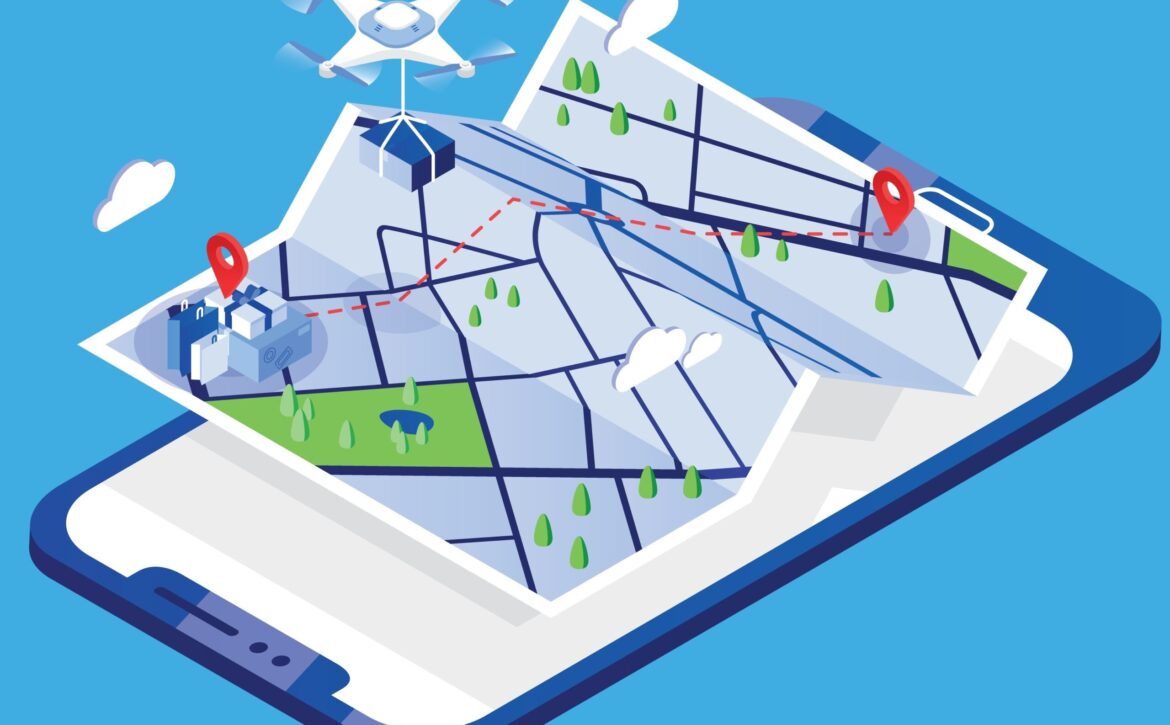
Drone carrying parcel and flying above paper city map and giant mobile phone. Delivery or shipping service with automatic quadrotor, modern electronic device. Colored isometric vector illustration.

Transponder obligation and identification obligation in airspace

According to German Air Traffic Control (DFS ), certain rules apply to the transponder obligation and recognition obligation in airspace. Both obligations are intended to make airspace safer by preventing collisions.

Transponder obligation and identification obligation

An aviation transponder is an electronic device that communicates via radio frequency interrogation. It provides important information for air traffic control (ATC) and the collision avoidance systems (ACAS) of other aircraft.

A secondary surveillance radar and an ACAS system interrogate the information from the transponder and thus make the airspace clearer. The transponder transmission therefore ensures the detection of other flying objects.

To which airspaces does the transponder and identification obligation apply?

All aircraft, whether gliders, free balloons or even hang gliders, must be equipped with a transponder in the following airspaces.

Class C and D airspaces, with the exception of the control zones, are affected. It therefore applies from 2,500 ft to 10,000 ft, which corresponds approximately to 762m to 3,048m.

Furthermore, this obligation applies in the Transponder Mandatory Zone (TMZ), which prescribes the use of a transponder with automatic altitude transmission.

The transponder requirement also applies to uncontrolled airspace at night. It also applies to motor-powered aircraft, excluding gliders, above 5,000 ft above sea level (normal zero), i.e. at the 1524 m limit.

Marking at night

To ensure that air obstacles are clearly visible to pilots at night, they must be made visible accordingly. Wind turbines or other tall buildings such as towers or chimneys must be visible in accordance with the regulations. To this end, the Federal Republic of Germany has followed international recommendations and implemented a General Administrative Regulation on the Marking of Aviation Obstacles (AVV). This specifies exactly how objects that protrude into the airspace must be secured.

The on-demand night-time marking (BNK) of wind turbines is currently only possible if the technical equipment of the aircraft is independent. A BNK transponder solution is fundamentally ruled out according to the current status of the AVV.

The experts Strauß and M. Rossol from the IT service provider b.r.m. will be happy to answer any questions you may have.

Concept on legal violations on the Internet, laws and regulations

DSGVO and GDPR

Compliance with the DSGVO and GDPR is more important than ever in the age of the internet. They are the basic rules of data protection and data security. They also form the basis of transparent handling, which is intended to limit the misuse of data.

What is the GDPR?

The General Data Protection Regulation (GDPR) originates from the European Union and provides rules for the processing of personal data. The regulation must be applied if data is stored or is to be stored in a file system during processing.  

These apply throughout the EU in both the private and public sectors. This means that every company that processes personal data must comply with the GDPR. This also applies to natural and legal persons, as well as to companies working on behalf of a third party.

What does GDPR stand for?

The General Data Protection Regulation (GDPR) forms the new legal framework of the European Union. The regulation defines exactly how personal data may be collected and processed.

Since May 2018, these regulations have applied to all organizations based in the EU that process personal data. It also applies to all organizations worldwide that process the data of EU citizens.

DSGVO and GDPR at b.r.m.

The Bremen-based IT service provider b.r.m. is known for its GDPR-compliant data center. In addition, b.r.m. has strengthened its security through several parameters. From technical and organizational measures (TOM) to security analyses and risk assessments, business ressource management is ideally positioned.

In addition, Harald Rossol and Thorsten Brendel from b.r.m. are engaged as company data protection officers. They are experts in data protection and will be happy to answer any questions you may have.

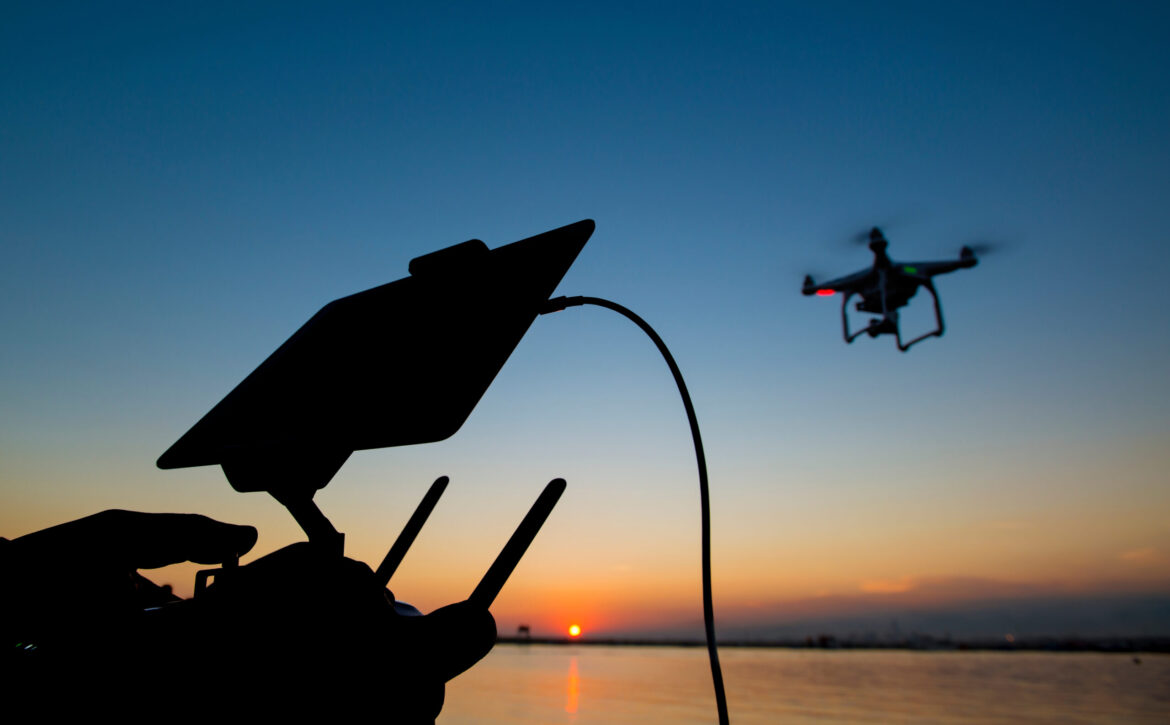
Drone

VLOS, EVLOS and BVLOS

The VLOS, EVLOS and BVLOS are essential for flight. In addition to the usual regulations, such as certification and training, the operating modes must also be observed for drone operations.

VLOS (Visual Line of Sight)

In VLOS (visual line of sight) mode, the remote pilot must have uninterrupted and direct visual contact with his drone. He must be able to recognize the flight position without optical aids.

The exact visibility range depends on various factors. The type of drone, the weather and the lighting conditions are very important. As a rule, the larger the drone, the greater the distance. Smaller drones can be seen at 60-90m, while larger UAS can sometimes be operated at a distance of up to 130m.

EVLOS (Extended Visual Line of Sight)

Drone operation in extended visual contact is called EVLOS. The drone pilot is supported by one or more trained airspace observers, usually by radio. This ensures uninterrupted situational awareness of the airspace. This can also be done by technological means.

BVLOS (Beyond Visual Line of Sight)

The flight beyond visual line of sight is abbreviated to BVLOS. The remote pilot does not need direct visual contact with the drone, so it is the opposite of VLOS. A special permit from the responsible authority is required for this type of operation. Otherwise, flights outside of direct line of sight may not be covered by liability insurance.

The instruments of a Ground Control Station (GCS) or a Remote Pilot Station (RPS) are often used for this purpose. With the latter method, control of the flying object is ensured by communication between satellites, tower and other flying objects in the vicinity.

If you have any questions about drones, our employees Strauß and Rossol at b.r.m. will be happy to help you.