Category: b.r.m.

Summary of the annual network meeting Lower Saxony Aviation on December 07, 2023 in Stade

The bottom line is complete success. Lower Saxony and Bremen must remain as one of the leading locations for aerospace and be further expanded.
Summary of the Lower Saxony Aviation annual network meeting

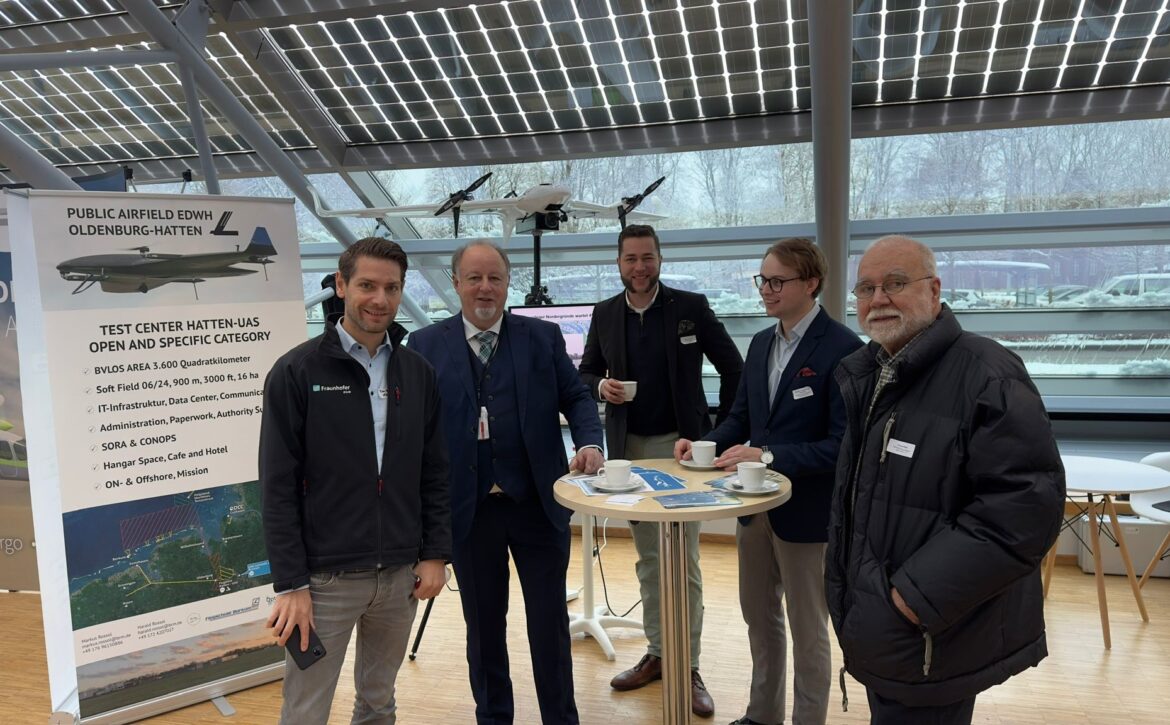
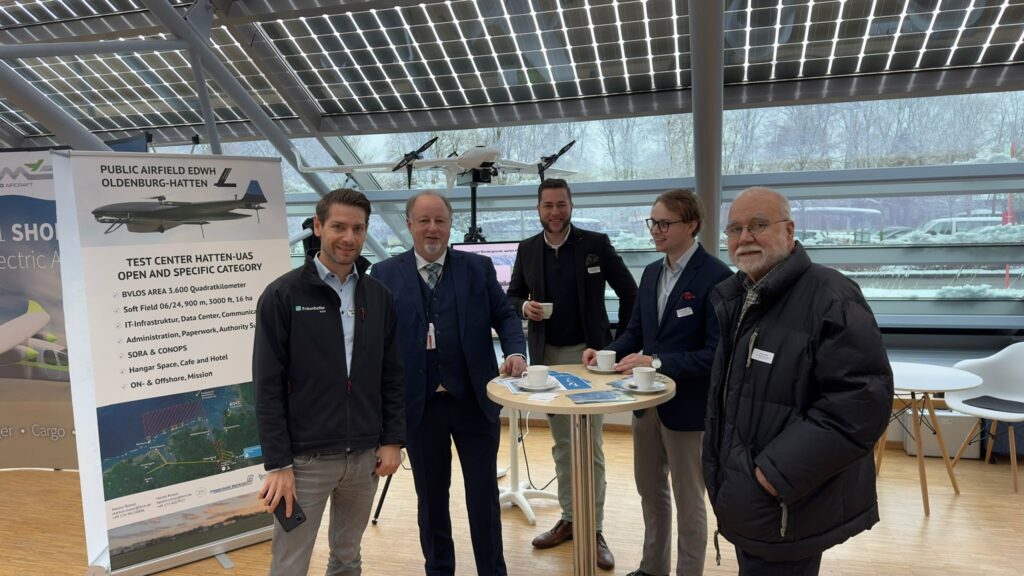
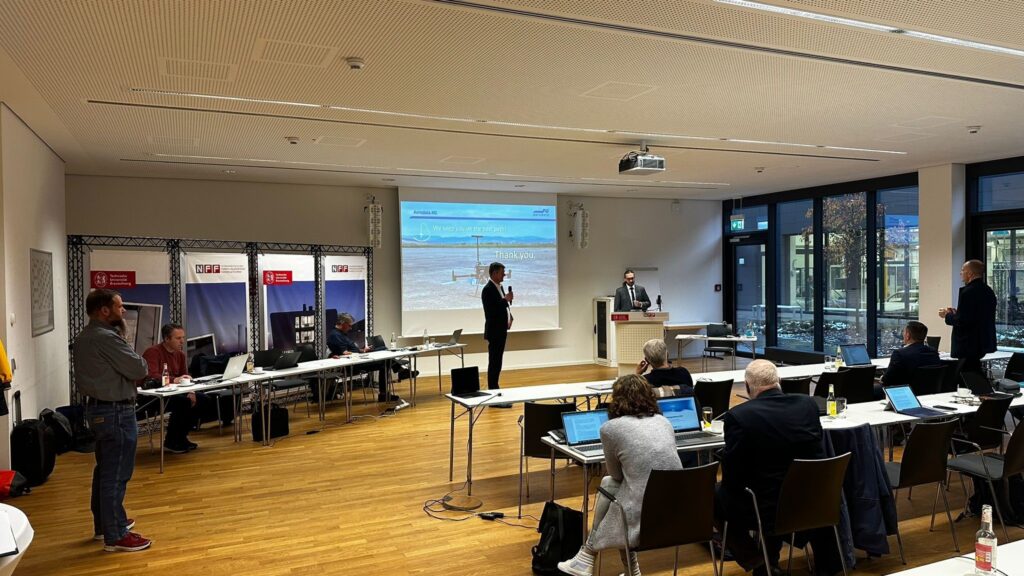
For b.r.m. IT & Aerospace GmbH and the Oldenburg-Hatten airfield, the day in the far north was a complete success. Mr. Harald Rossol and Mr. Markus Rossol represented the aviation and digitalization activities in Stade at the annual network meeting Niedersachsen Aviation.

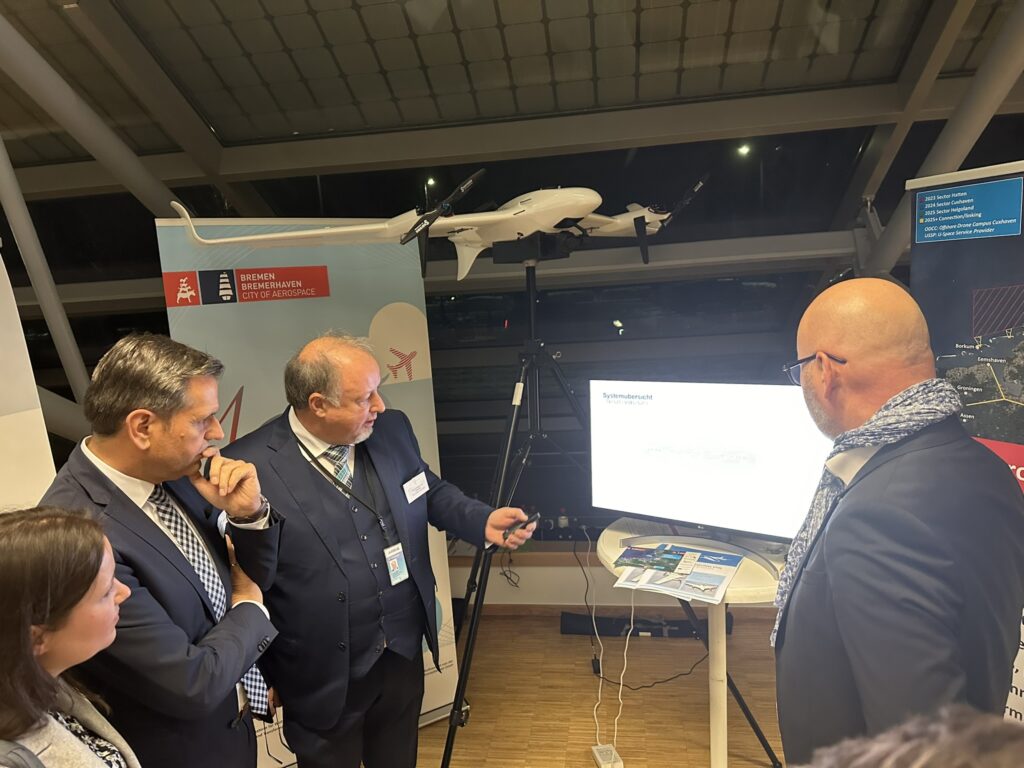
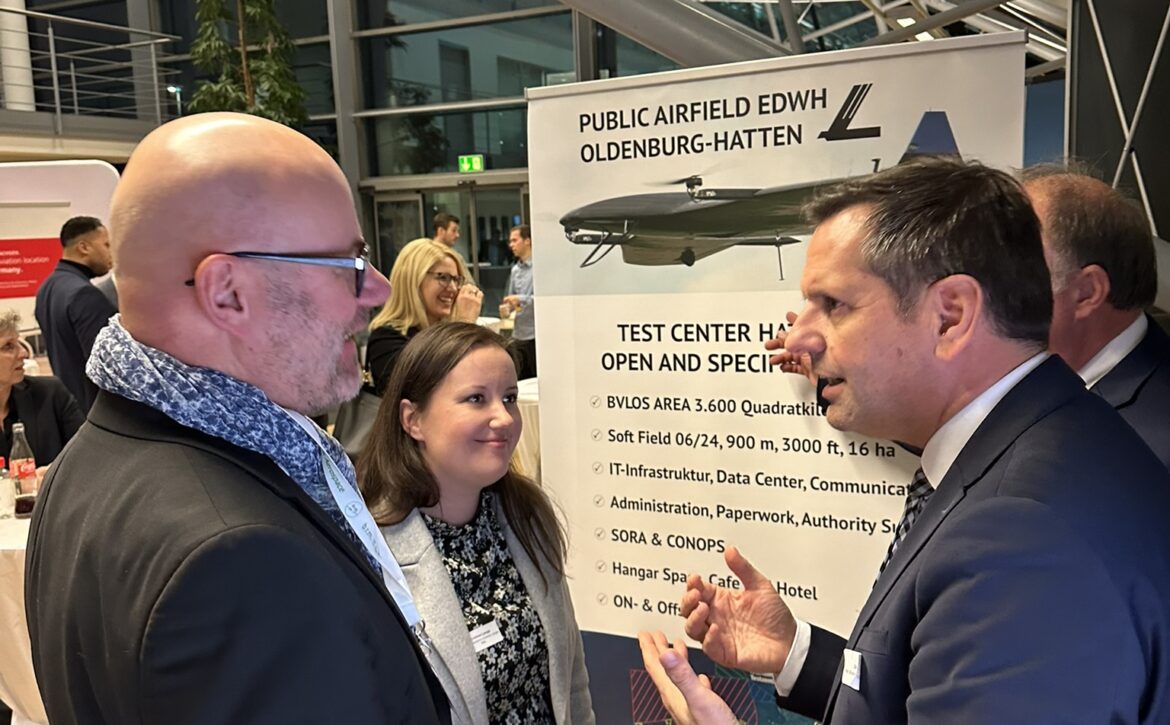
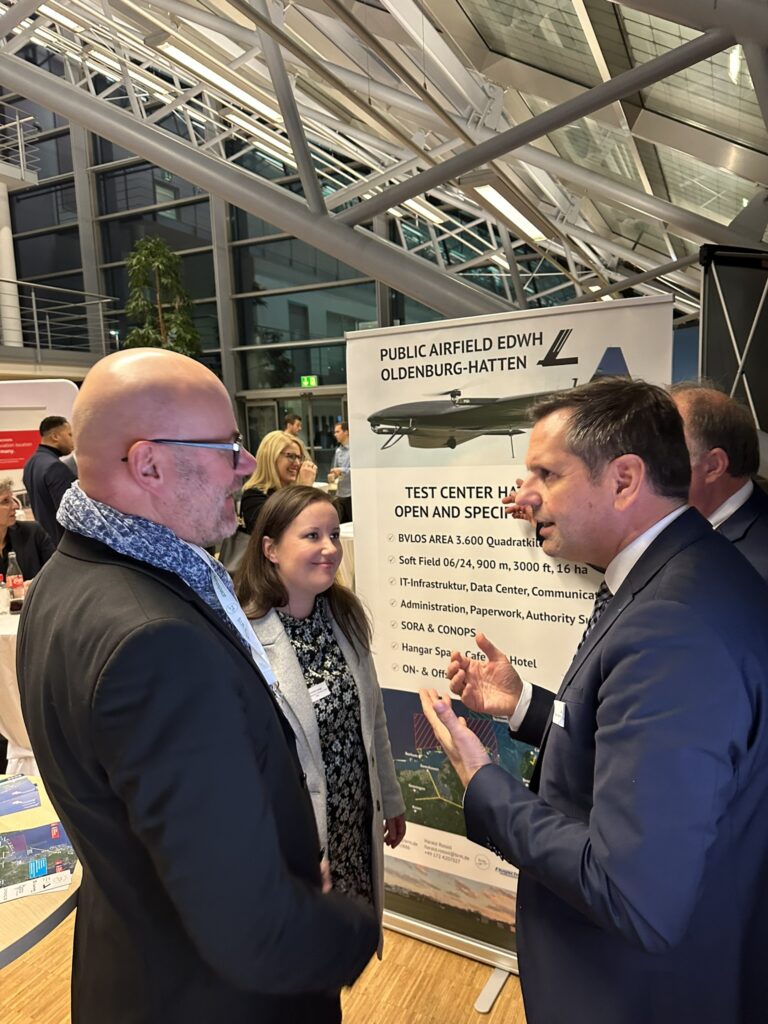
The stand of b.r.m. attracted a great deal of interest from the invited trade visitors and interesting, detailed discussions were held with Mr. Olaf Lies, Minister of Economic Affairs of Lower Saxony, among others. IT & Aerospace stand.

The IFAM with Tim Strohbach, the Bremen aviation cluster Aviaspace e.V with Julian Hofhans and Jannis Balke, Airbus with Götz Anspach von Broecker and the flight school Borkum GmbH were represented at our stand.

We would like to thank everyone involved and look forward to next year.

In the North German network, companies and cluster initiatives in the aerospace industry jointly implement interesting events and numerous projects.

One of these is the Hatten-UAS project at Oldenburg-Hatten airfield, which is being led by Harald Rossol, Managing Director of b.r.m. IT & Aerospace, and his partnerMarkus Rossol in Lower Saxony and neighboring federal states.

Prof. Christian Denker from the Jade University of Applied Sciences presented an approach to barrel management with the support of UAS.

The Oldenburg-Hatten airfield aims to professionalize drone operations and testing. Harald Rossol sees great potential in flight guidance and "U-Space" concepts, which provide for the integration of drones (UAS) into existing air traffic. The video provides an insight into the idea of a "U-Space Reallabor Nord-Westdeutschland und Deutsche Bucht & UAS-Leitstelle Bremen USSP", which primarily involves the establishment of airspace structures within which the operation of UAS is considerably simplified and automated and safety is increased, taking into account all relevant airspace users.

Harald Rossol considers the interaction between IT and aviation to be a very important core element for the successful development and implementation of the Advanced Air Mobility strategy.

"The video is part of a meet-up event with Aviaspace Bremen"
Annual Network Meeting Lower Saxony Aviation

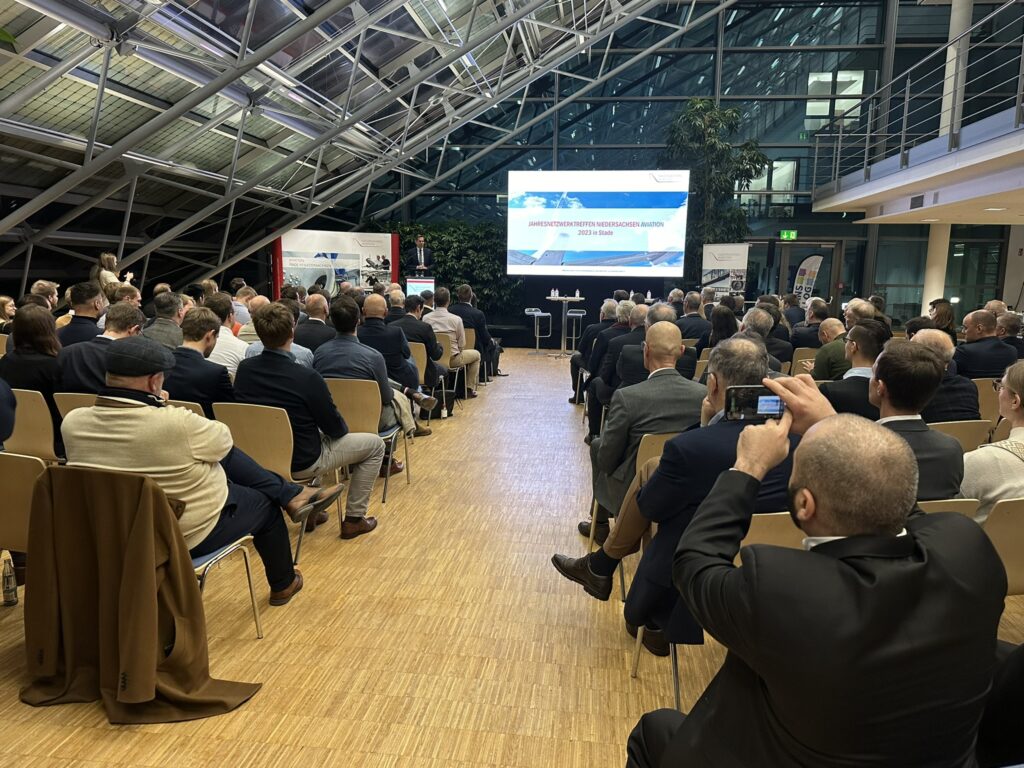
The annual network meeting of Niedersachsen Aviation is an integral part of the year. The annual network meeting is regarded as a networking platform for Lower Saxony's aviation and aerospace industry.

Annual Network Meeting Lower Saxony Aviation

A great program with great speakers will be offered again this year.

One of this year's highlights is certainly the participation of b.r.m. IT & Aerospace GmbH in the video competition of the aerospace cluster.

In Stade, on site, b.r.m. IT & Aerospace will be represented by Mr. Harald Rossol and Mr. Markus Rossol. Both are of course looking forward to interesting and exciting discussions.

Visit us...

63rd General Meeting UAV DACH e.V.

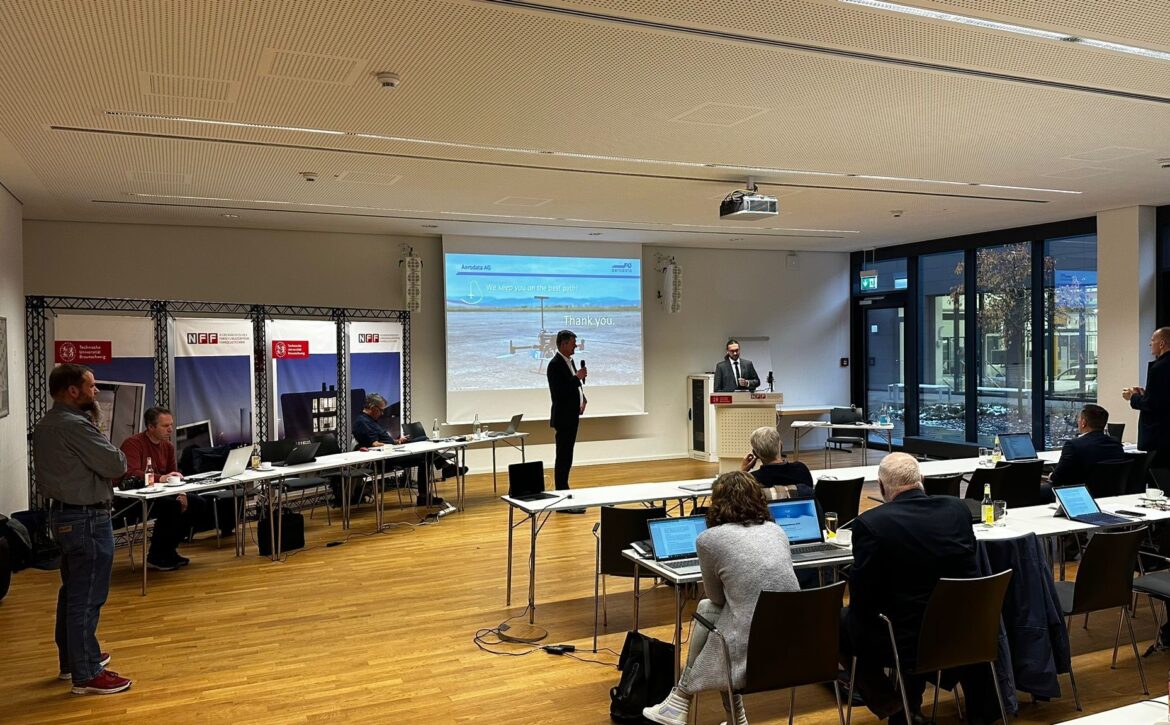
It's that time again. Every year the general meeting of the UAV DACH e.V. takes place. This year from snowy Braunschweig

63rd General Meeting UAV DACH e.V.

UAV DACH e.V. is the largest German-speaking professional association on the subject of "commercial UAS use". The interests of the drone economy are regularly represented to the public here. Our Mr. Markus Rossol is also a member of the board

Businessman hold futuristic drone in hands

Annual Network Meeting Lower Saxony Aviation on December 04, 2023 in Stade

The b.r.m. IT & Aerospace is very pleased to participate in the video competition of the Aerospace Cluster Niedersachsen Aviation on December 04, 2023.

Annual Network Meeting Lower Saxony Aviation on December 04, 2023 in Stade

We realize ideas with the Hatten-UAS project at the Oldenburg-Hatten EDWH airfield to demonstrate solutions for Advanced Air Mobility (AAM) and the U-Space real laboratory to be developed.

We support Hatten-UAS with an end-to-end digitalization strategy through the b.r.m. UAS control center Bremen USSP to demonstrate ATM and UTM solutions at a commercial airfield.

We wish all participants in the Niedersachsen Aviation video competition every success and a great network meeting. We would like to thank all LNC employees for their activities.

MarkusRossol is represented at the accompanying exhibition and we are looking forward to many good discussions.

You can find the Niedersachsen Aviation article here.

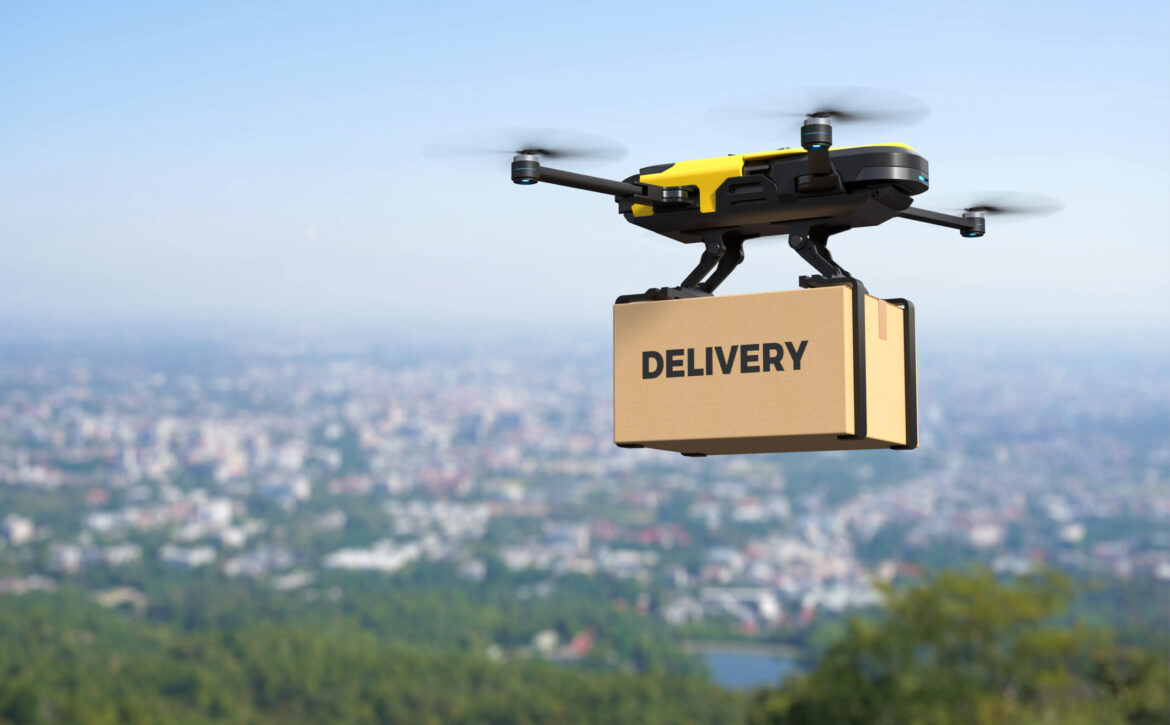
Drone delivering goods in the city, Autonomous delivery robot, B

Advanced Air Mobility" (AAM)

"Advanced Air Mobility" (AAM) refers to an advanced transportation system that uses airspace to move people and goods more efficiently.
This concept encompasses a variety of aircraft, including UAS, drones, air cabs and other types of unmanned and manned aircraft and systems.

Advanced Air Mobility

Here are some key aspects of Advanced Air Mobility:

Electric and hybrid propulsion systems: Many AAM vehicles use electric or hybrid propulsion systems. These are not only more environmentally friendly than traditional combustion engines, but also enable quieter and more efficient flights.

Vertical take-off and landing (VTOL): The majority of AAM vehicles are designed for vertical take-off and landing. This enables them to operate in urban or confined spaces where conventional fixed-wing aircraft cannot be used.

Autonomy: Many AAM concepts include some degree of autonomy. Autonomous or semi-autonomous flight systems can reduce the need for human pilots and increase safety by reducing human error.

Integration into the urban space: AAM aims to integrate seamlessly into existing and future urban transportation systems. This includes the development of infrastructure such as vertiports and integration into existing transportation systems.

Regulation and safety: Safety is a key concern in the development of AAM. This requires new regulatory frameworks and safety standards to be developed by aviation authorities worldwide.

Areas of application: AAM could be used in a variety of areas, including passenger transportation, delivery services, emergency medical services and more.

Areas of application: AAM could be used in a variety of areas, including passenger transportation, delivery services, emergency medical services and more.

Advanced Air Mobility is still in the early stages of development, but it has the potential to fundamentally change the way we travel and transport goods, especially in urban areas.

From the perspective of b.r.m. IT & Aerospace GmbH with the Bremen USSP UAS control center, "Advanced Air Mobility" involves the integration of manned and unmanned systems.

If you have any further questions, please do not hesitate to contact Mr. Markus Rossol.

Online webinars from home via Teleconference Web Video Conferenc

GDPR-compliant conference solutions

Conferencing solutions have become an integral part of today's working world. They enable location-independent phone calls with cameras and document sharing. However, not all providers offer data protection.

GDPR-compliant conference solutions

Given the large number of providers, user-friendliness and data security are particularly important. In addition, installation effort and costs vary significantly between the different providers. Even if a video conference with a cloud connection initially seems compliant, it should always be borne in mind that the service provider has complete control over the data. Compliance with the GDPR is required by law for all data processing and data storage. It should be noted that although the providers encrypt the data in transit through the internet, decryption takes place on the provider's servers, i.e. on the cloud servers. Although the providers must comply with the GDPR, the user is dependent on the trust of the providers. As this trust is very questionable in terms of data protection, a secure alternative should be found.

Conference solutions at b.r.m.

The Bremen-based company b.r.m. IT & Aerospace offers its customers GDPR-compliant conference solutions through its Green IT-certified data center. The files are stored at b.r.m. unlike conventional providers, the files are not decrypted on the cloud servers in the USA, but on b.r.m.'s servers in Bremen. The use of Zoom, for example, is therefore GDPR-compliant, as Zoom no longer has control over the data. Several privacy principles as well as technical and organizational measures (TOM) ensure that the data of the conference solution is sustainably protected and handled in compliance with the GDPR.

The GDPR applies to all personal data that is processed on the internet. This means that every provider is required to comply with it. Violations lead to fines of 20 million euros and, in the case of tech giants, up to four percent of global turnover. We offer you the solution to this issue. The advice and support provided by b.r.m. enables security analyses and risk assessments of your data flow. If you have any questions about our GDPR-compliant conference solution, you can contact our data protection expert Harald Rossol at any time.

A "safe" day at b.r.m. IT & Aerospace GmbH

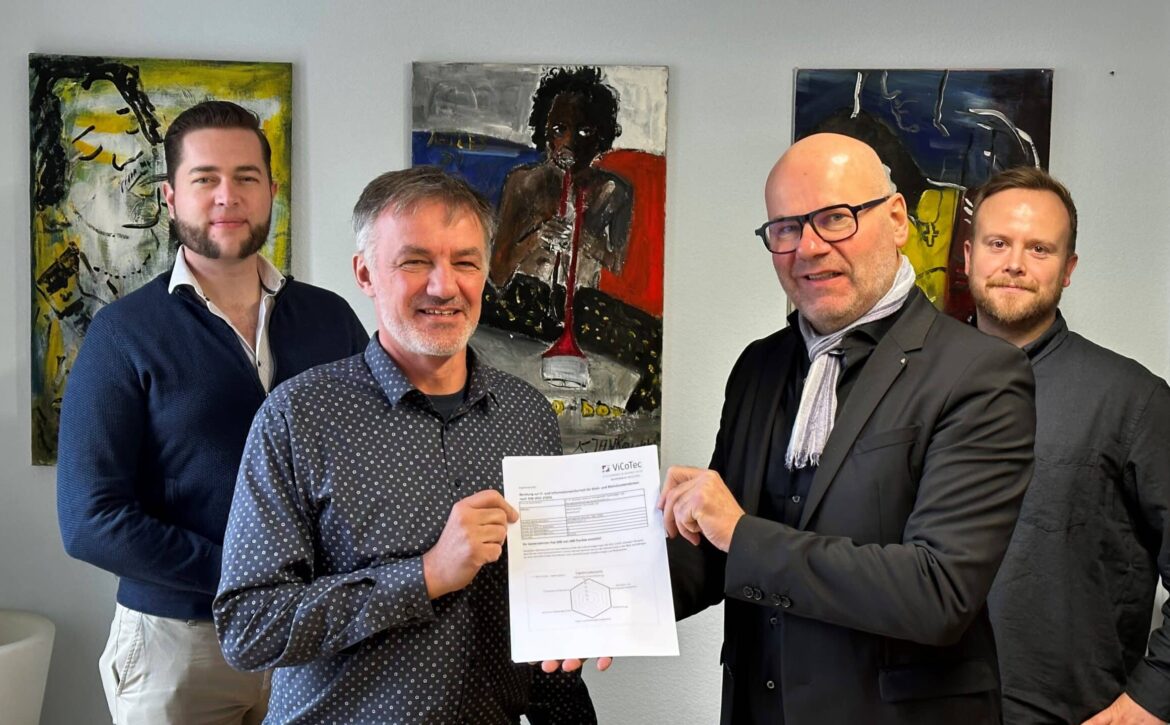
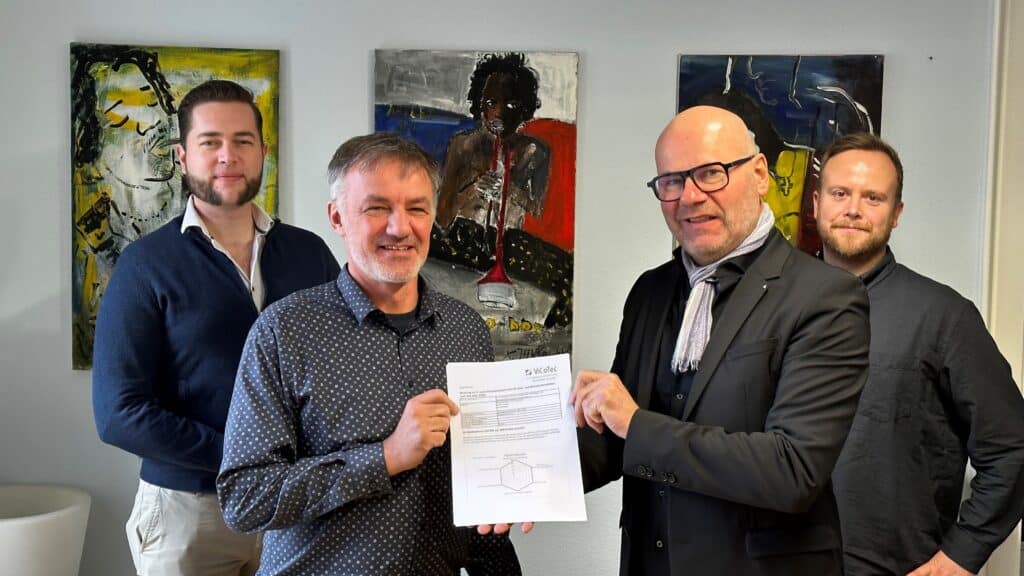
Today, b.r.m.'s team of 5 GDPR experts came together. Under the leadership of Mr. Harald Rossol, Mr. Markus Rossol and Mr. Marius Ammermann, b.r.m. received the DIN SPEC 27076 certificate today.

ISO27001 Tastat DIN SPEC 27076

The certificate was presented by the external security experts Mr. Thorsten Brendel and Mr. Daniel Köster.

But this is only the beginning of the safe path...

The timetable for the upcoming ISO 27001 audit and certification was also defined today. The project is expected to take a very short time.

This can simply be attributed to the very good and existing certifications, guidelines, management systems and assets at b.r.m.. The imminent turn of the year at b.r.m. is "standardized"

Unmanned drone flying over security fence at airport while commercial airplane prepares for landing, leading to possible collision

Drone Control and Guidance - Drone guidance of the future

In manned air traffic, aircraft are supported by the tower during take-off and landing, in addition to the technology on board and on the ground. It is an integral part of a clear organizational structure and an indispensable part of everyday processes in airspace. According to the Implementing Regulation and EASA, these elements should also be fulfilled for unmanned air traffic in the established U-Space, the airspace for drones, with the help of a USSP.

Drone Control and Guidance - Drone guidance of the future

The USSP: Combination of ATM and UTM

The U-Space Service Provider, USSP for short, will take on key tasks in future. For example, the USSP will take care of registration and deregistration, approving the planning of flight routes and navigating the drones by exchanging information. The Bremen-based company b.r.m. IT & Aerospace is currently conducting a USSP feasibility study, which aims to make the establishment of a U-Space Service Provider more efficient. Furthermore, the company is to be known as b.r.m. UAS control center Bremen (USSP) and make the airspace clearer and safer. In order to fulfill these tasks of a USSP, it must use the ATM and UTM management systems.

Air Traffic Management, or ATM for short, is used in manned aviation. The essential prerequisites for this system are Air Space Management (ASM), Air Traffic Flow Management (ATFM) and Air Traffic Services (ATS). ASM sorts the airspace into the various airspace uses. These include, for example, civil aviation and military aviation. The ATFM is responsible for planning and controlling air traffic. The system is designed to ensure safety, order and efficiency. The ATS is responsible for air traffic control, for example air traffic control. In Germany, this task is carried out by German Air Traffic Control (DFS).

Unmanned Aircraft System Traffic Management (UTM) is responsible for regulating unmanned air traffic. Unmanned air traffic includes unmanned aircraft systems (UAS), i.e. drones. UAS are subject to different conditions that make communication much more difficult. Furthermore, there are different operating modes for drones, such as Beyond Visual Line Of Sight (BVLOS), which means that drones can also be controlled outside the pilot's field of vision. To ensure that drones can fly alongside manned aircraft despite these differences, flawless communication and coordination is required. This is made possible by the automated and digitalized exchange of information through the USSP, so that drone flights can also become routine. The UTM is therefore an extension of the ATM. U-Space is the European approach to building a UTM.

If you have any questions about U-Space, please contact Mr. Markus Rossol.

Data backup

Mail archiving according to GDPR

Nowadays, electronic archiving of emails and documents is the order of the day. In Germany, GDPR-compliant archiving is required by law. A distinction is made between audit-proof and legally compliant archiving.

Archiving according to GDPR

Audit security and legal certainty

As a rule, audit-proof systems are archiving systems that comply with tax and commercial law requirements and are verifiable in this respect. The information from the systems should be retrievable, traceable, unalterable and tamper-proof. For example, it enables tax authorities to check emails or other documents from the past in order to clarify facts. This means that the entire archiving process, including the technical components, must be checked beforehand, otherwise the user companies will not have any legal certainty for their archiving systems.

However, legal certainty includes accuracy, completeness, security of the overall procedure, protection against alteration and falsification, security against loss, use only by authorized persons, compliance with retention periods, documentation of the procedure, traceability and verifiability. Only when these categories are fulfilled after a practical test is the archiving system legally secure. Legal certainty is therefore a combination of audit compliance, the GDPR and other compliance rules.

Problem

GDPR-compliant archiving is mandatory for the user company and is properly audited. However, audit compliance is only part of complete legal certainty. This means, for example, that a user company may use a product with software that suggests audit compliance on the basis of a sticker but cannot actually guarantee it. This may be due to various components. This is precisely the core problem with legally compliant archiving. Revision security appears to be given in theory, but must first be proven in practice. Compliance can only be verified once the complete archiving system, consisting of the technology, organization, processes and trained employees, has been fully implemented. Legal certainty cannot therefore be guaranteed at the time of purchase, but only afterwards through a corresponding review of the complete system.

If you have any questions about GDPR-compliant archiving solutions and how we can support you with implementation, please feel free to contact Harald Rossol, founder and managing director of b.r.m. IT & Aerospace.

Email security, data protection, secure personal email, encrypti

Mail encryption

There is a general security risk on the Internet, as data transfer on the Internet is always unencrypted. To ensure that emails can only be received and read by authorized persons, there are various security mechanisms for encrypting emails. This also fulfills the requirements of the General Data Protection Regulation.

Mail encryption

end-to-end encryption

End-to-end encryption guarantees a high level of security in data transfer. Before an email is sent, it is encrypted by the sender, remains encrypted across all transmission stations and is decrypted again by the recipient. This mail encryption provides complete protection that does not allow any intermediate stations to be involved. This ensures increased confidentiality, authenticity and integrity of the data.

Furthermore, emails are encrypted using digital signature procedures with two keys. Each user generates a private signature key (private key) and a public verification key (public key). With the help of the public key, every user can encrypt their mail and only the owner of the private key, who decrypts the encrypted mail, can decrypt it again. The public key can therefore only encrypt the data and the private key can decrypt it again. This type of coding is called asymmetric encryption. Although it is slower than symmetric encryption, in which the sender and recipient have a shared key, it is more secure.

Mail encryption for servers

Encryption is an established standard for email servers. This is done using various encryption protocols. These include, for example, Transport Layer Security (TLS), which is used by most web browsers and web servers, such as Firefox. Encrypted communication between a computer and a web server can be recognized by the Hypertext Transfer Protocol Secure (HTTPS) or by a small lock in the browser bar. Different exchange protocols are assigned to different ports for unencrypted and encrypted communication between mail servers. Port 25 is normally used with the Simple Mail Transfer Protocol (SMTP), i.e. unencrypted. Encrypted communication can, for example, take place via port 465 using the Simple Mail Transfer Protocol Secure.

The topic of email encryption is very important, as it is expressly recommended by the European General Data Protection Regulation (GDPR). The GDPR is fully included in the IT service of the Bremen-based company b.r.m. IT & Aerospace is fully included. If you have any questions about sending and encrypting emails, please contact us.