
Category: b.r.m.

Designer team working on their current project

Invitation from DIGITAL HUB INDUSTRY

On January 24, 2023, the DIGITAL HUB INDUSTRY (DHI) held an inspiring event entitled Company Transformation.

Invitation from DIGITAL HUB INDUSTRY

Background of DIGITAL HUB INDUSTRY

The DIGITAL HUB INDUSTRY creates and promotes cooperation networks. It sees itself as a driver of interdisciplinary cooperation and a supporter with a wide range of services. In the multi-generational house, priority is given solely to innovative and creative exchange and comprehensive networking. Whether companies from industry, the service sector, research and development or start-ups, at DHI all kinds of talents get to know each other and expand their network with direct access to other networks. At the DHI, interested parties from a wide range of industries can make contact with each other.

Players and topics of the event

At yesterday's event, entrepreneurs discussed the self-designed transformation process of their company. Moderated by Janna Schlegelmilch, from the RKW Service Center Digital at the Workplace, and Martin Schulze, from Netzwerk Umwelt Unternehmen, the extensive conversation began. The discussion partners included managing directors and HR managers from well-known Bremen companies.

These included Harald Rossol, founder and Managing Director of Bremen-based IT service provider b.r.m. Technology and Management Consulting. As a pioneer of green IT and with his many years of experience in the IT sector, Rossol was able to take part in the informative discussions and pass on his creative ideas.

The discussions began with three introductory questions about the drivers of transformation, motivation and whether a crisis is necessary for a transformation. This was followed by an intensive and qualitative exchange between the partners and a concluding outlook on developments for 2023.

You can also follow us on Instagram @brm_IT_Aerospace.
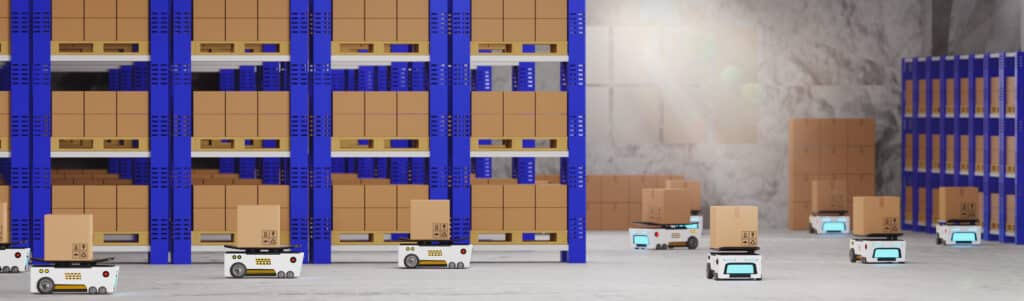
Concept industry 4.0 smart vehicle autonomous robot AGV (Automat

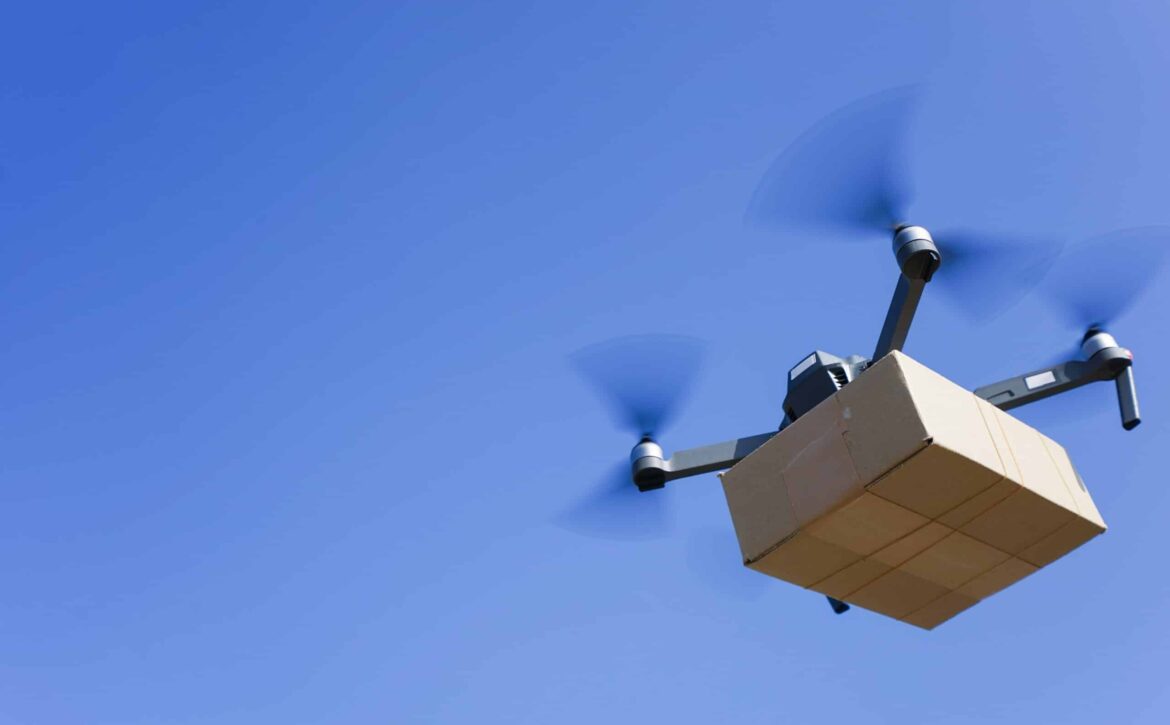
Logistics 4.0 - use of drones

Developments in industry and retail mean that logistics must inevitably adapt. The trend towards Industry 4.0 and Retail 4.0 is creating new challenges for logistics companies. The use of drones has already proven its worth in search and rescue operations in the USA and is set to be used in a wide range of industries in the future. The use of drones could therefore also become an integral part of Logistics 4.0.

Logistics 4.0 - use of drones

Previously in logistics

Drones are already being used in the areas of spare parts and emergency logistics. There, they impress with reliable deliveries to hard-to-reach locations such as high-altitude mountain stations and oil platforms. When these aircraft need spare parts, other spare parts suppliers are on hand. These service companies have specialized in these cases and offer a special speed service. The logistics specialists bring the required parts directly to the drone and repair them on site.

Progress in the commercial use of drones

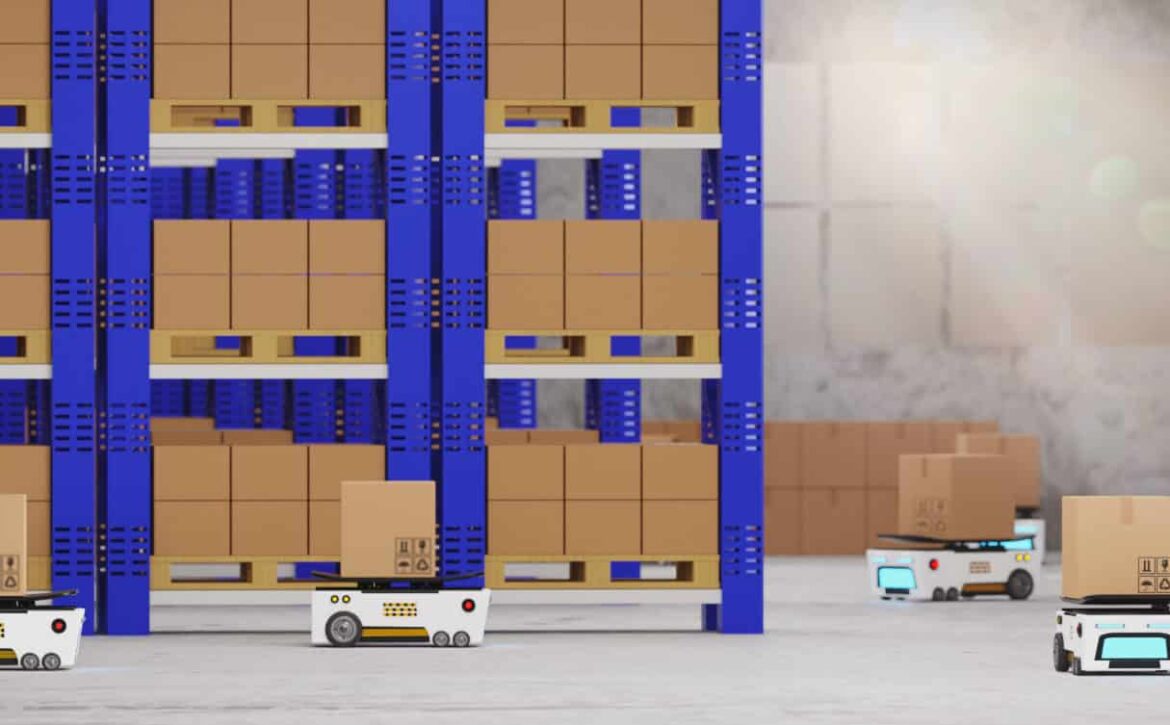
Optimal logistics with the use of drones consists of the fusion of automatic evasion systems, autonomous delivery and storage. In some logistics companies, storage is already fully autonomous with the help of moving robots.

Delivery by drone could take place in the near future, as it is a rapidly growing technology and is becoming very popular. Many experts predict that more than 80% of deliveries will soon be covered by cargo drones. The drone market is booming and the global volume was already worth USD 30.6 billion in 2022. The further development of technology should also mean that heavy goods can be transported with the highest level of security. Long-haul drone flights with an aircraft size comparable to an A320 will then distribute goods across the globe. The website statista.com therefore forecasts a market volume of USD 55.8 billion by 2030.

Drone for air delivery

Classes of aircraft - EU-wide CE classes

As a drone operator's license will be mandatory for most types of drones from 01.01.2023, operators should also be aware of the CE classes.

Classes of aircraft - EU-wide CE classes

CE classes

According to the new EU drone law, every drone is divided into a class. The general principle is: the greater the risk during operation, the higher the class. The seven classes are C0, C1, C2, C3, C4, C5 and C6. In most overviews of the classes, only classes C0 to C4 are shown, as the last two CE classes are based on the C3 class. A C3 drone can be upgraded to the C5 class with the help of certified components. However, the C5 and C6 classes have no height limit and no geo-awareness system. For the C5 class, a type of air brake must be installed in the flying object so that the speed is reduced before a crash.

Advantages of the new classes

The CE classes are clearly separated from each other and provide a certain overview. Each EU member state must provide binding data on the local no-fly zones and restricted areas. The data is then compiled and a standardized Europe-wide format is developed. The information contained in this format is then communicated to C1, C2 and C3 UAS pilots before take-off.

In addition, drone manufacturers are obliged to classify their drones into the relevant CE classes themselves and mark them accordingly on the drone. This means that the operator does not have to classify their drone when purchasing it, but they are only obliged to have the latest version of the formats to hand.

You can also follow us on Instagram @brm_IT_Aerospace.
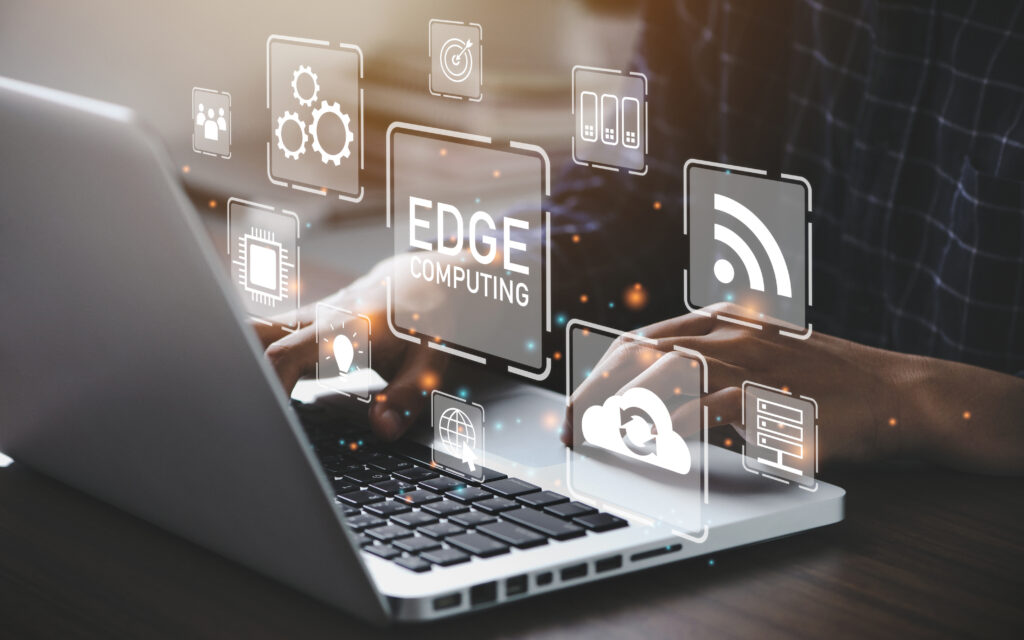
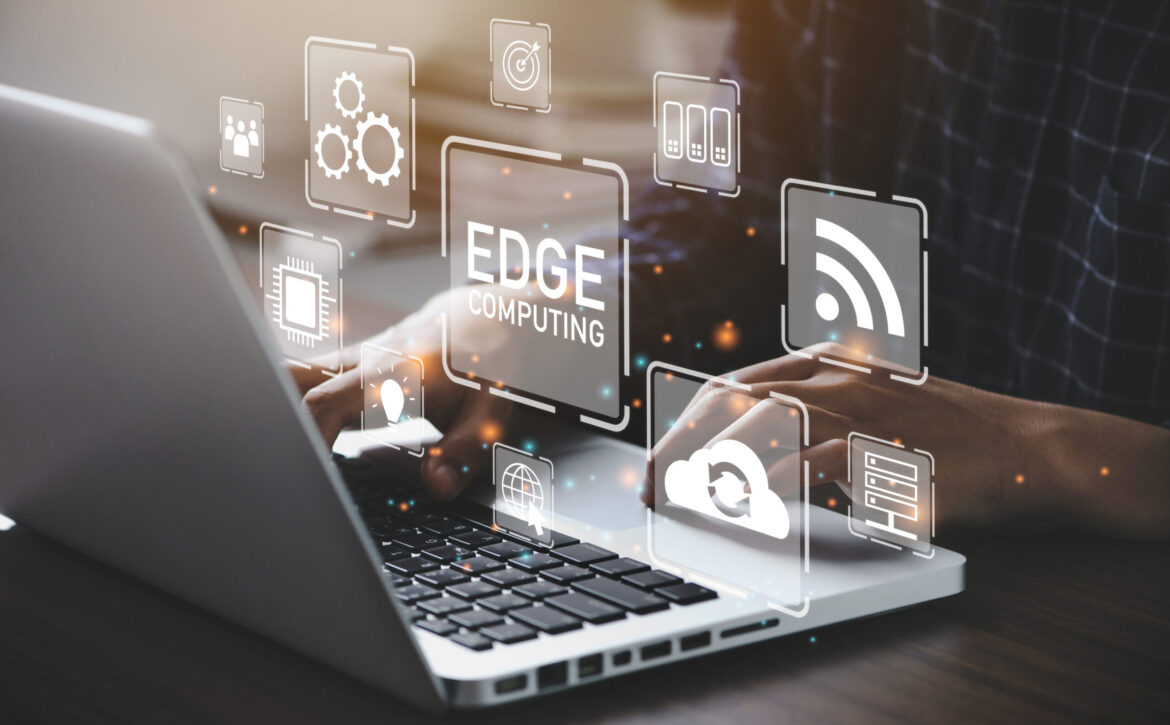
Businessman using a computer with Edge computing modern IT techn

IT trends: edge computing, data protection and security

Security and data protection are still among the top IT trends. However, there is also a new trend: edge computing.

IT trends: edge computing, data protection and security

Edge computing

Edge computing is one of the latest IT trends. In terms of data processing, it is the opposite of cloud computing. While cloud computing relies on a central data center, edge computing relocates the services, data, etc. close to the user. The calculations involved were initially carried out by the data center itself. However, in order to process the data streams in the data center as resource-efficiently as possible, the services, data, etc. were moved to the edge.

This allows data to be processed in real time and minimizes latency and load times. However, challenges must be overcome. With a cloud, the highest security standards and regular vulnerability checks have top priority. It therefore offers a higher level of data security than decentralized processing, as each operator is responsible for the security of their own device. Further information on edge computing can be found here.

Data protection and IT security

With the rapid increase in the use of data processing, the issue of security and data protection is becoming increasingly important. The significant breaches in 2021 clearly showed the damage caused by a lack of IT security. The threat of potential hacker attacks is real. It is therefore all the more important to maintain your own IT security by continuously checking and maintaining it.

The successful fulfillment of the topics of data protection (GDPR), security and energy efficiency form the basis for the IT service provider b.r.m. With a GDPR-compliant and Green IT-certified data center, we offer our customers an all-encompassing 24-hour service. For more than 30 years, we have been taking care of digitalization with our excellent IT service. With our multifaceted efforts, we try to stand out from other IT service providers and be unique in the industry.

You can also follow us on Instagram @brm_IT_Aerospace.
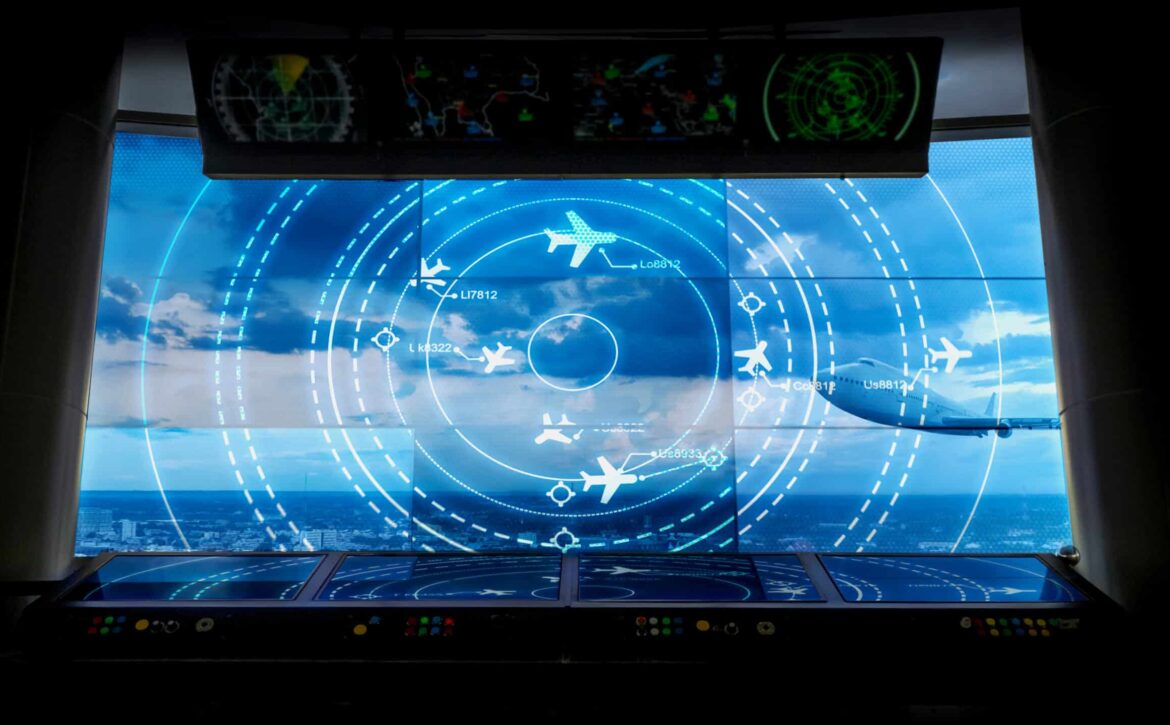
Simulation screen showing various flights for transportation and

Strategic Deconfliction

Strategic Deconfliction ensures analysis and the maximum number of safe flights. The system forms the basis for improving flight safety and the number of flights.

strategic deconfliction

Situation of air traffic controllers

To ensure a safe flight, there are controllers who ensure that the minimum distance between aircraft is maintained. However, to ensure that the controllers are not overloaded, a limited area is allocated to each controller team. These areas in turn reduce and limit the number of flights per hour.

EUROCONTROL is responsible for compliance with these airport capacity restrictions and the coordination of flights. It has the task of ensuring these restrictions. The organization also checks whether further flights are possible in a departure time window. If the minimum distance to be maintained is met and the capacity restriction is complied with at the same time, the departure times are reassigned. However, if the minimum distance between the aircraft cannot be guaranteed, a conflict arises. In the event of a conflict, the controller has the task of keeping the pilot and his aircraft at a distance. This additional work places an additional burden on the controller and reduces the capacity of his work area, resulting in additional costs.

Strategic Deconfliction

NASA has launched the Strategic Deconfliction flight safety system to reduce these conflicts in future. This conflict solution is based on data sets, sector boundaries, airport characteristics and trajectories. Trajectories are air paths that a single airborne particle passes through in a certain period of time. These components are entered into a diagram and the most efficient compromise is determined.

The data sets also include delay costs, conflict costs and constraints, all of which are included in the best possible trade-off between conflict reduction and delay. NASA has carried out a detailed analysis of the performance of strategic deconfliction. This basis then models the Air Traffic Flow Management (ATFM).

You can also follow us on Instagram @brm_IT_Aerospace.
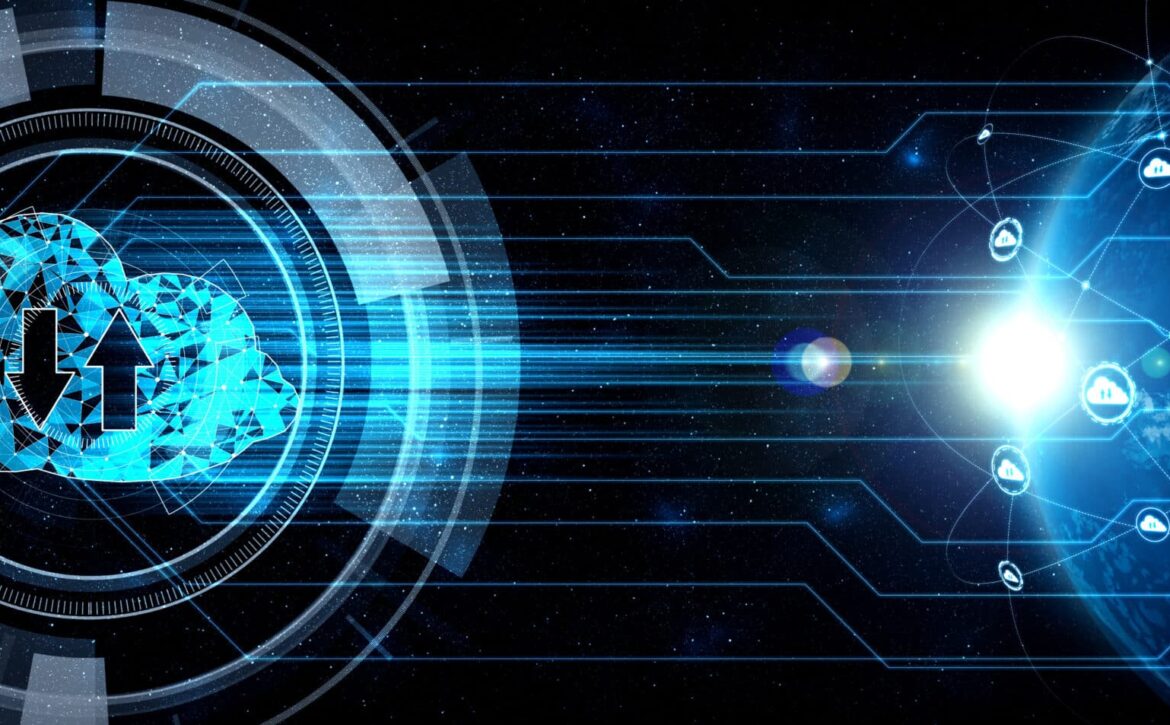
Cloud computing technology and online data storage in innovative perception

Cloud infrastructure

Cloud services are being used more and more frequently and intensively. It is important to know what a cloud is and how a cloud is structured.

Cloud infrastructure

How this infrastructure is structured

In short, the infrastructures create multiple external storage locations. A cloud infrastructure essentially consists of four different components. These include the hardware, virtualization, storage and the network.

Hardware is the physical elements of a cloud infrastructure. These include, for example, servers, routers, switches and much more. These can be in different locations.

Virtualization then connects the servers with each other. The software, which is located on the physical hardware, centralizes the computer's resources in so-called pools.

The data is then stored in storage rows on the numerous disks in a data center. Software is used to create a new backup and the outdated backup is removed. This ensures that data is retained in the event of a power failure, for example.

The last component of the cloud infrastructure is divided into physical and virtual networks. The physical part includes cables, switches and other devices. The virtual networks are built on the basis of the physical networks.

Cloud computing

The cloud infrastructure is the prerequisite for cloud computing. It provides IT resources via the internet. In addition, there are various models, which are explained in detail here. As this model can be described as an external location, the payload that was previously uploaded can be accessed by the user at any time.

Clouds are being used more and more frequently because they are very flexible and offer a large amount of storage space. However, cloud services are also a popular target for hacker attacks due to the amount of data they contain. Furthermore, the various cloud platforms are very questionable in terms of data protection. At b.r.m., our customers' data is optimally secured with the help of our GDPR and Green IT-certified data center. We also have a data protection officer who will be happy to answer any questions you may have.

Simulation screen showing various flights for transportation and

Detect and Avoid Radar

To improve safety in airspace, there are detection technologies that alert the pilot and then cause them to take evasive action. This technology will be particularly essential for unmanned air traffic. One example of such technology is the Detect and Avoid Radar and the Due Regard Radar. EASA is also proposing such systems.

Detect and Avoid Radar

Detect and Avoid Radar

The Detect and Avoid Radar (DAA) enables the operator of a remotely piloted flying object to safely integrate their unmanned system into non-segregated airspace. It improves the detection of the pilot through a system that surpasses the human eye in terms of range, probability of detection and accuracy.

This ensures increased flight safety and the detection of every flying object in the airspace. This technology is also weatherproof and can be used regardless of the weather.

Due Regard Radar

The Due Regard Radar (DRR) is an air-to-air radar designed to allow remotely piloted aircraft to fly in international airspace. The DRR consists of an Active Electronically Scanned Array (AESA) antenna with two panels and a Radar Electronics Assembly (REA). The system enables the pilot of the remote-controlled aircraft to recognize aircraft over the same field of view as a normal pilot. It virtually replaces the pilot's eyes. This technology allows the system to track multiple targets while continuing to search for new aircraft. Flight tests have been carried out with both manned and unmanned aircraft.

DRR is ultimately a key component of the entire aircraft Detect and Avoid architecture. The DAA must be able to detect aircraft with and without transponders and then take evasive action. The detection and tracking of cooperative (transponder-equipped) aircraft is performed, for example, by the Traffic Collision Avoidance System (TCAS) and the Automatic Dependent Surveillance-Broadcast (ADS-B).

You can also follow us on Instagram @brm_IT_Aerospace.
2023 A Happy New Year concept. Congrats sign. Decorative loading

Happy New Year!

The entire b.r.m. team wishes you all the best and a successful start to the new year 2023!

B.r.m. will be at your side again this year with full commitment. We look forward to new collaborations and the continuation of our valued cooperation!

Microphone abstract prepare for speaker speech of conference or

Outlook for the year - RotorDrone Forum in Bückeburg

The first RotorDrone Forum took place in November 2015 and has been successfully continued ever since. The forum is all about unmanned aviation.

Outlook for the year - RotorDrohne Forum Bückeburg

Background

The Hubschrauberzentrum e.V. is the support association of the helicopter museum in Bückeburg. The association brings together helicopter enthusiasts, technicians, pilots, engineers, entrepreneurs, scientists and interested parties. The center has promoted scientific exchange through the helicopter forum and is now extending it to unmanned aviation.

The Verband Hubschrauberzentrum e.V. has organized the next forum together with Achim Friedl, Chairman of the Board of UAV DACH e.V. In 2023, the event will take place on 26.01 and 27.01 at the Bückeburg Helicopter Museum. Visitors can look forward to interesting discussions and presentations.

The program of the forum

The RotorDrone Forum provides an exciting program with various topics. The first day will focus on U-Space - integration of drones into air traffic as well as technical requirements and EU conformity testing. Among the speakers are entrepreneurs, heads of institutions and representatives of the Federal Ministry and the German Armed Forces.

The second day of the forum will focus on the environment, safety and efficiency of drone operations as well as the topic of advanced air mobility. The speakers include professors, doctors and managing directors.

The exact schedule and registration for the event can be found here.

11

Christmas is coming!

Christmas greeting

The b.r.m. team would like to wish all friends, customers and partners a peaceful Christmas season with their loved ones. We look forward to a successful end to the year and a peaceful time between the years.