Category: U-Space

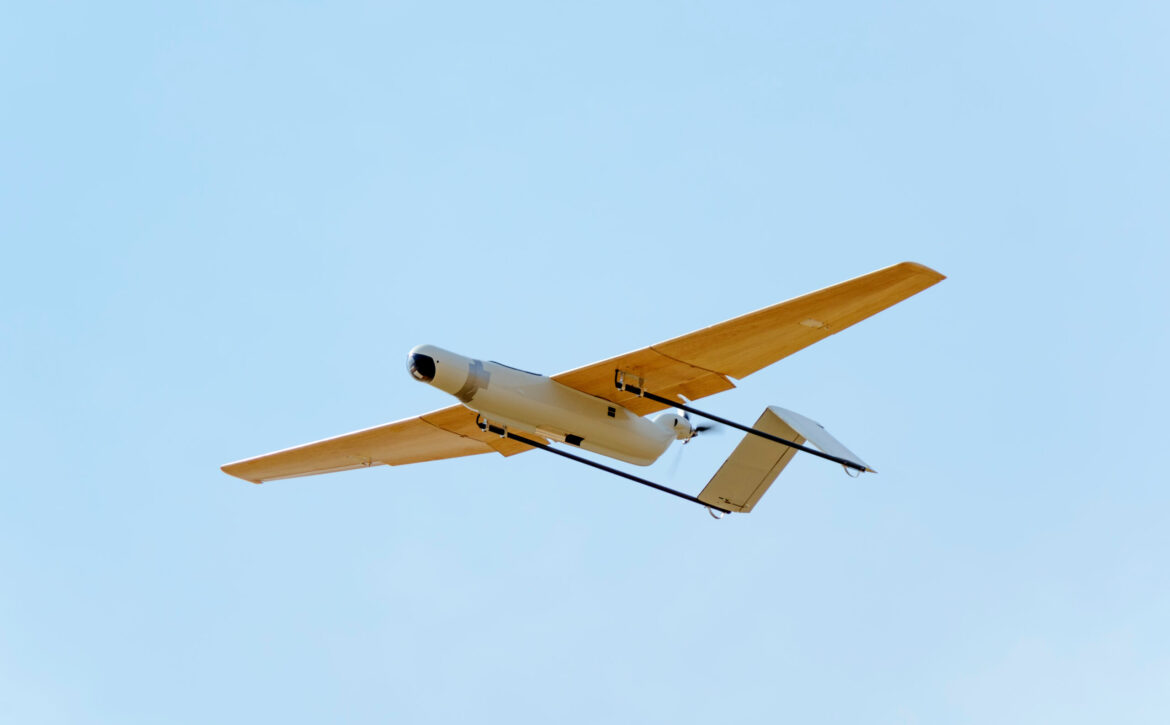
Surveillance drone prototype

Noise emissions from drones

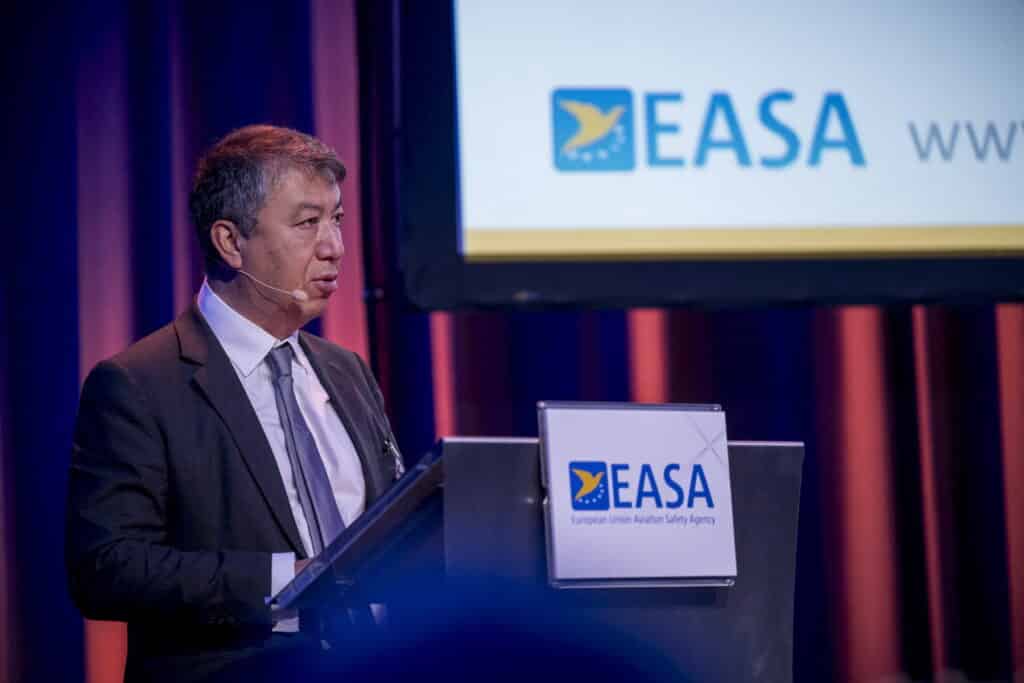
To prevent drone traffic from becoming just as noisy as normal road traffic, the EASA has now presented a standardized tool for measuring the noise emissions of drones. The aim is to make drone traffic more environmentally friendly and integrate it into the "modern" city.

Noise emissions from drones

Background of noise emissions

Due to the rapidly growing drone sector and the development of new, larger drones, increased noise emissions can be expected. The volume of the rotors usually depends on the total weight of the drone. This means that the larger the UAS, the louder its rotors are. However, it should be noted that drones are also constantly being revised and tested with regard to their propulsion. Low-noise rotors are particularly important for the future use of drones, as they will be allowed to fly in city centers in the future, according to Urban Air Mobility. The sound pressure and sound intensity of the drive types have now been intensively examined and analyzed by EASA.

Standardized tool

The method for measuring noise emissions initially only applies to drones in the "Specific" category. The official title of the method is "Guidelines on Noise Measurement of Unmanned Aircraft Systems Lighter than 600 kg Operating in the Specific Category (Low and Medium Risk)". According to this, the noise level should be measured during an inspection or added directly to the drone delivery. The corresponding EASA document provides a database for the various drone types and models, which both drone manufacturers and operators are required to adhere to. In future, authorities and institutions will use the values in this database as a basis for establishing noise protection areas, such as nature conservation areas.

The legal anchoring of this method and the completion of the analysis of noise emissions is in full swing. However, the perception of noise is very important even after finalization. The rotors of the drones produce a noise that is not typical of the environment and can be clearly distinguished from others. Therefore, despite the noise reduction, the drones will always be clearly audible.

Follow us on Instagram to stay up to date.

Businessman working in office with stamp

Feasibility study USSP

Now it's official! b.r.m. IT & Aerospace is the first company to receive confirmation of its "Feasibility study for the establishment of the b.r.m. UAS control center Bremen (USSP)". The U-Space provider and its team have successfully reached this milestone. The following is an excerpt from the confirmation.

Feasibility study USSP

Official confirmation of the feasibility study

Der Einsatz von Drohnen (UAS = Unmanned Aircraft System) für industrielle, universitäre, behördliche, sicherheitsdienstliche und weitere zivile Zwecke wird in den nächsten Jahren stark ansteigen und vermutlich das Aufkommen im bemannten Flugverkehr übertreffen. Um dieses Drohnenflugaufkommen zu ermöglichen wurde auf Basis der EU Durchführungsverordnung 2021/664 ein neues Luftraumelement (Geozone) geschaffen und in die bestehenden Luftraumstruktur eingebettet. Dieser sogenannte „U-Space” („Luftraum” für unbemannte Flugsysteme) kann als Bündel verschiedener Rahmenbedingungen und Regelungen verstanden werden, welche den Einsatz von Drohnen ermöglichen. Es existieren verschiedene Ansätze für die Abgrenzung des U-Space: Ein erster Ansatz verfolgt die strikte Abgrenzung vom U-Space innerhalb des Luftraums hinsichtlich seiner maximalen Höhe und geographischen Ausdehnung. Dieser ist als erster Nutzungsansatz sinnvoll, wird perspektivisch dem zu erwartenden Drohnenflug- Ansprüchen aber nicht gerecht werden. Alternativ existiert ein integrierter Ansatz, für den diese strikte räumliche Abgrenzung keine zwingende Voraussetzung ist. Nur dieser integrierte Ansatz bietet einen vollständigen Entwicklungsumfang für den potentiellen Drohnenflug-Verkehr. Er wird von der b.r.m. verfolgt. Rechtliche Grundlage für die Nutzung des U-Space ist die zuvor genannte Durchführungsverordnung, welche ab dem 26. Januar 2023 Anwendung findet und voraussichtlich in Kürze auch in nationales Recht umgesetzt wird. Laut der EU-Verordnung sollen für den U-Space, ebenso wie für den normalen Luftraum, klare Organisationsstrukturen und Abläufe etabliert werden, um einen sicheren Drohnenflug zu ermöglichen. Dies betrifft im Wesentlichen die An- und Abmeldung einzelner Flüge, die Planung von Flugrouten, sowie die Bereitstellung aller relevanten Informationen für die sichere Navigation. Grundsätzlich benötigen alle Drohnen mit einem Gewicht >250g, sowie alle Flüge im BVLOS-Bereich (Behind visible line, also ein Drohnenbetrieb außerhalb der Sichtweite des Fernpiloten) eine Genehmigung bzw. externe Koordination. Ausgenommen von dieser Regel sind Drohnenftüge im öffentlichen Interesse, wie z.B. Einsätze des Militärs, des Zolls, der Polizei, der Küstenwache, Such- und Rettungseinsätze oder Einsätze zur Brandbekämpfung bzw. für die Grenzkontrolle. Derzeit existiert keine entsprechende Infrastruktur für das benötigte Drohnenflugmanagement. Laut Verordnung soll diese Funktion durch sog. U-Space Service Provider (USSP/ UAS-Leitstellen) übernommen werden. Der U-Space Service Provider soll den unbemannten Flugverkehr im U-Space koordinieren und für eine sichere und reibungslose Interaktion mit dem bemannten Flugverkehr zuständig sein. Dafür muss er verschiedene technische Serviceleistungen erbringen, welche in der Verordnung beschrieben werden. Anders als in der Flugsicherung ist hier ein freier Markt mit vielfältigen kleineren Providern gewünscht, welche unabhängig von einem regionalen Bezugspunkt (europaweit) agieren können. Eine Abdeckung des U-Spaces durch DFS/Eurocontrol ist explizit nicht gewünscht. Die Ausgestaltung eines Drohnenflugbetriebs erfordert eine umfassende Übertragung der etablierten und standardisierten Verfahren aus der bemannten Luftfahrt, wie z.B. die existierenden Standards von ICAO (Internationale Zivilluftfahrtorganisation), JARUS (Internationale Arbeitsgruppe zur Regulierung von Drohnen), EASA (Europäische Agentur für Flugsicherheit ist die Luftsicherheitsbehörde der Europäischen Union) und Weiteren.
Basierend auf den Ergebnissen des vorangegangenen LURAFO-Projektes VTOL-EGM, den Erfahrungen aus dem Betrieb des UAS-Testzentrum auf dem Flugplatz Oldenburg-Hatten, und v.a. auf ihrer eigentlichen Tätigkeit als Rechenzentrum und IT-Dienstleister, möchte sich die Firma b.r.m. zukünftig als europaweite UAS-Leitstelle bewerben und zertifizieren lassen. Neben der Ausarbeitung der essentiellen USSP-Dienste (Netz-Identifizierungsdienst, Geo-Sensibilisierungsdienst, UAS-Fluggenehmigungsdienst, Verkehrsinformationsdienst, Wetterinformationsdienst, Dienst zur Konformitätsüberwachung und sonstige, vom Mitgliedstaat festzulegende Dienste) sollen weitere Funktionen, wie die Datensicherheit und -konsistenz im Rechenzentrums-Betrieb, Green-IT Konzepte, die Anbindung zu Flugsicherungsorganisationen, sowie eine DSGVO- konforme digitale Transformation berücksichtigt werden. Die beantragte Durchführbarkeitsstudie soll dazu dienen, das Vorhaben der b.r.m., ein USSP im Kontext eines Rechenzentrums aufzubauen, genauer zu bewerten. Inhalte der Studie sollen im Wesentlichen die genaue Analyse der (laut Verordnung) anzubietenden Dienste, sowie eine detaillierte wirtschaftliche Betrachtung des Vorhabens sein. Die Ergebnisse aus dem im März 2023 auslaufenden Projekt LUV (Dronique, DFS, TUHH, HCU, HHLA Sky GmbH, Behörde für Wirtschaft und Innovation Hamburg) sollen dabei zwingend in den Rahmen der aktuellen Studie integriert werden. Positive Resultate vorausgesetzt, sollen die Erfahrungen der Durchführbarkeitsstudie unmittelbar in einem F&E Projekt münden, dass den Aufbau einer b.r.m. UAS-Leitstelle Bremen im Sinne eines USSP der EU DVO 2021/664ff zum Ziel hat. Der Luft- und Raumfahrtstandort Bremen kann sich durch die Unterstützung dieses Vorhabens im Rahmen der Entwicklungen zum U-Space Norddeutschland bzw. dem zu erwartenden Aufbau von neuen U-Space Service Providern entsprechend platzieren.

Impressions of the AITS

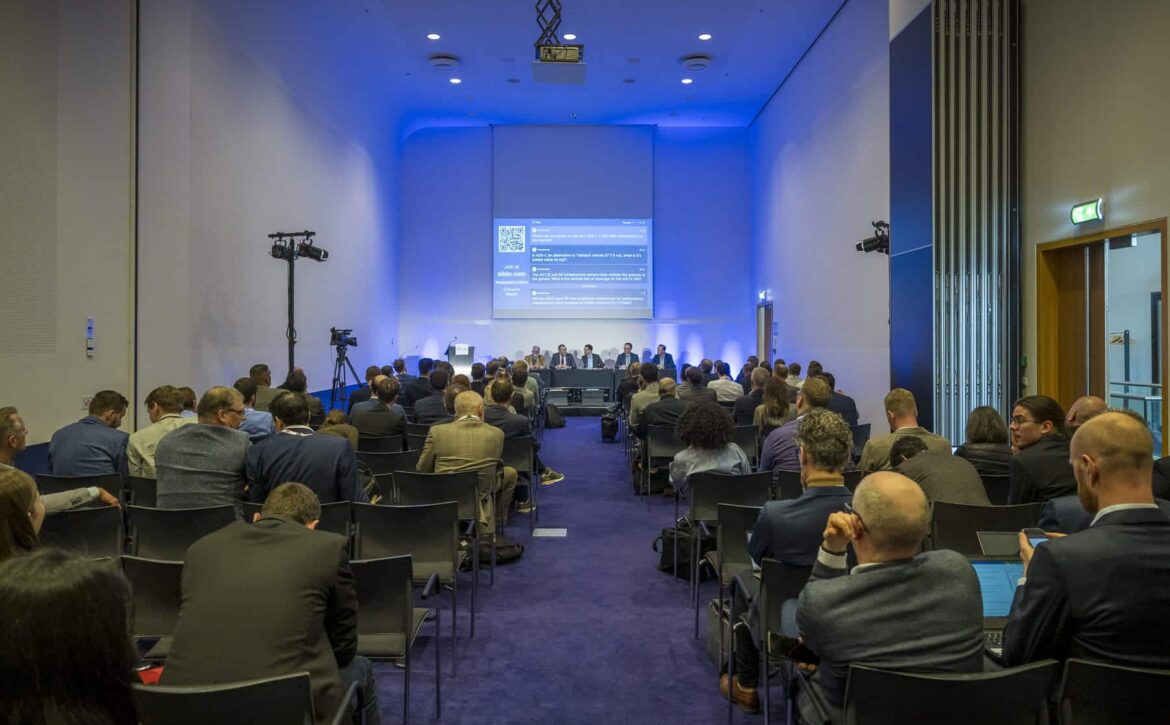
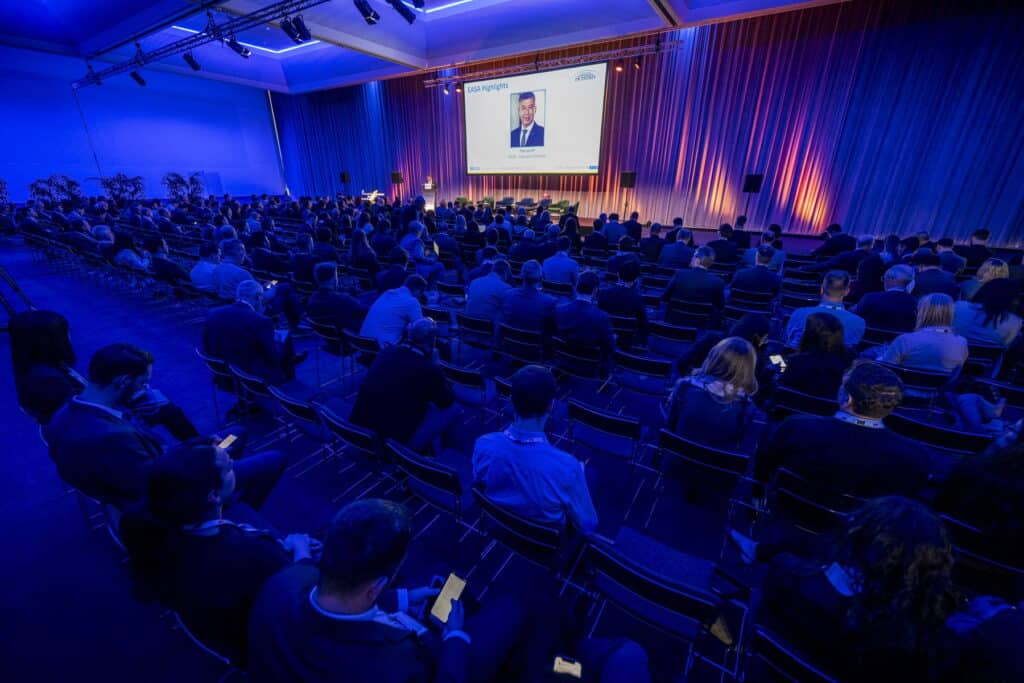
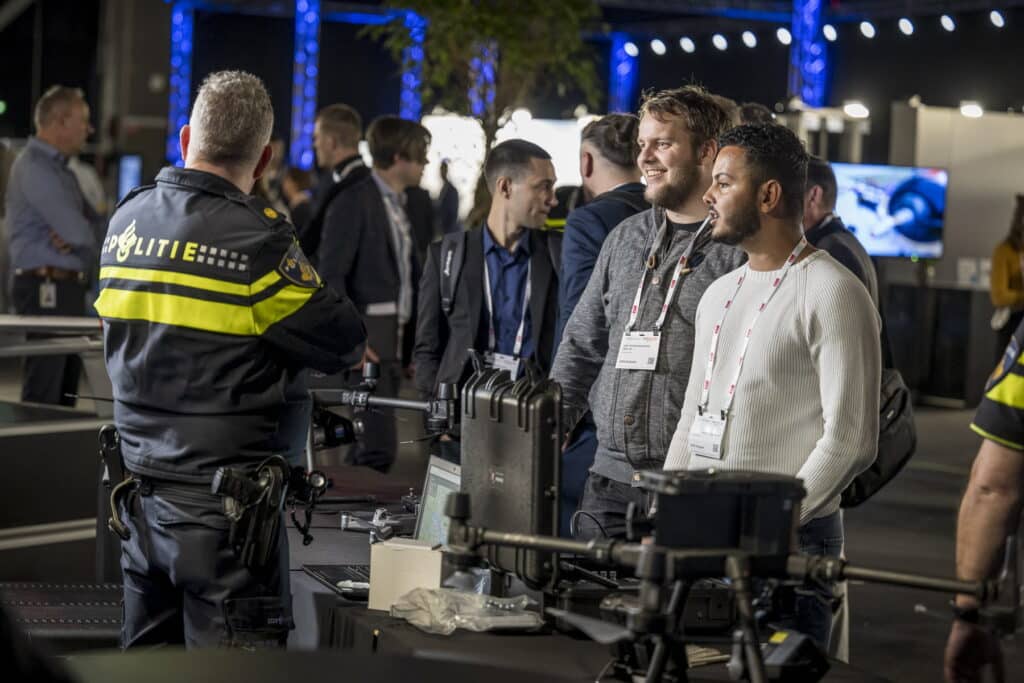
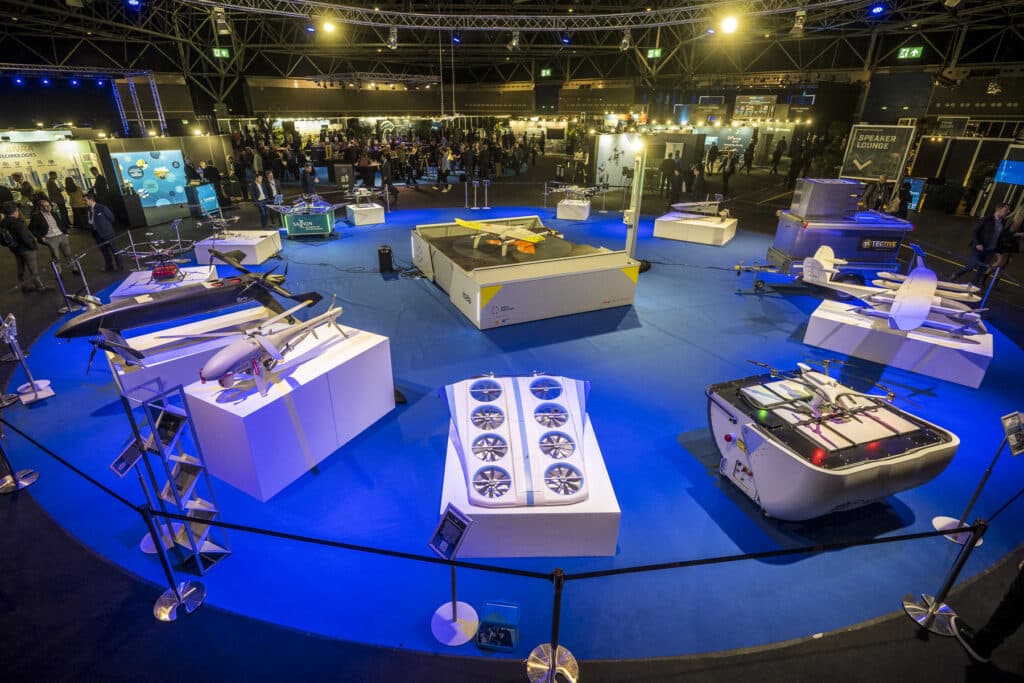
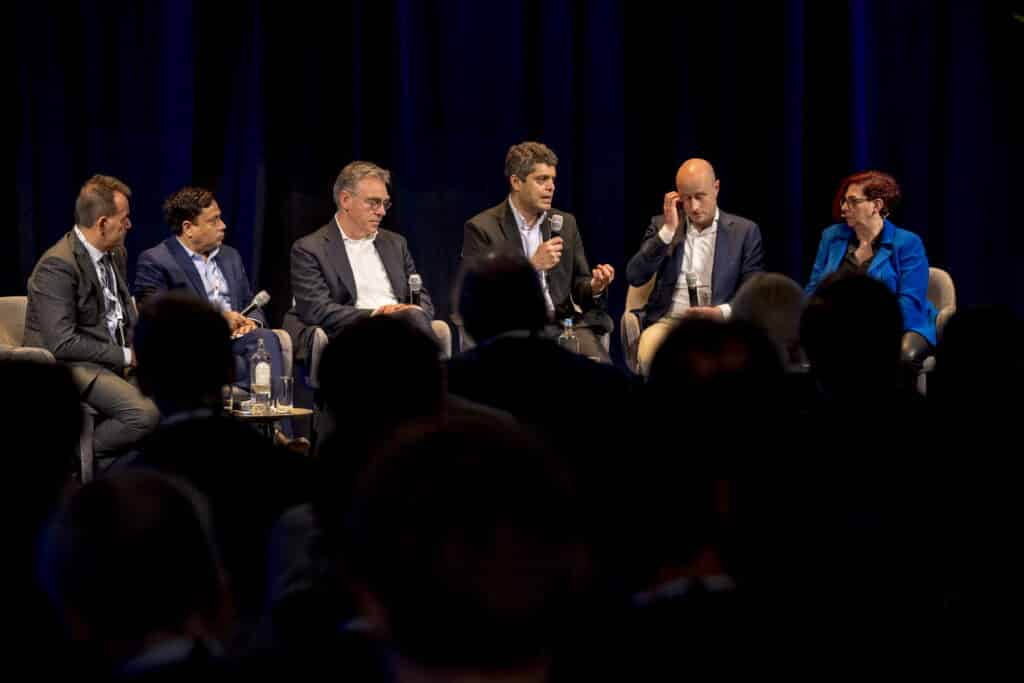
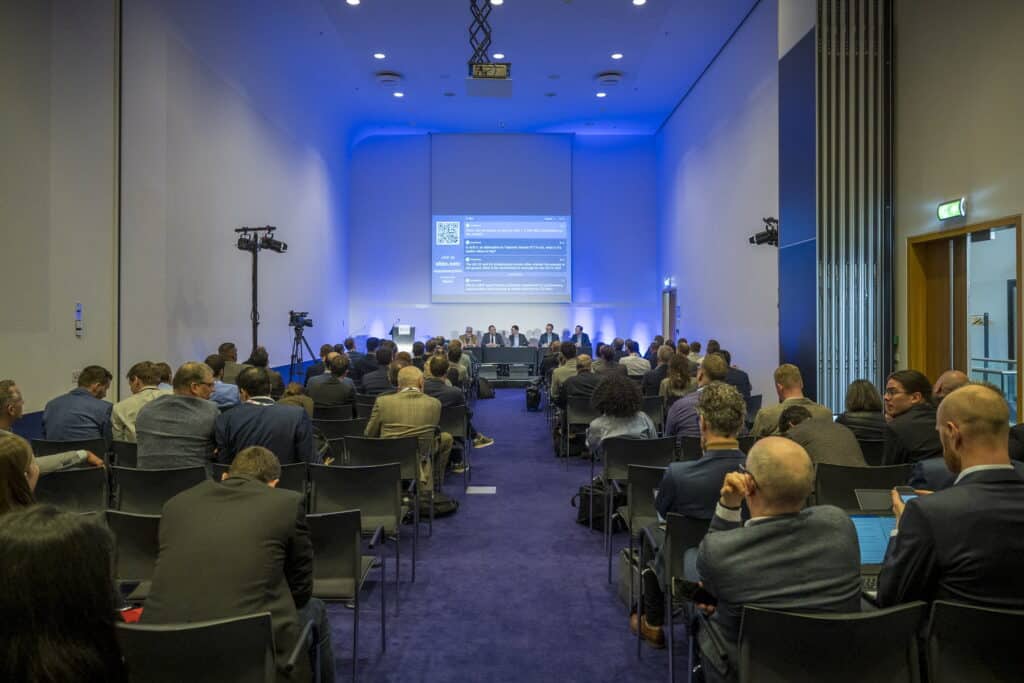
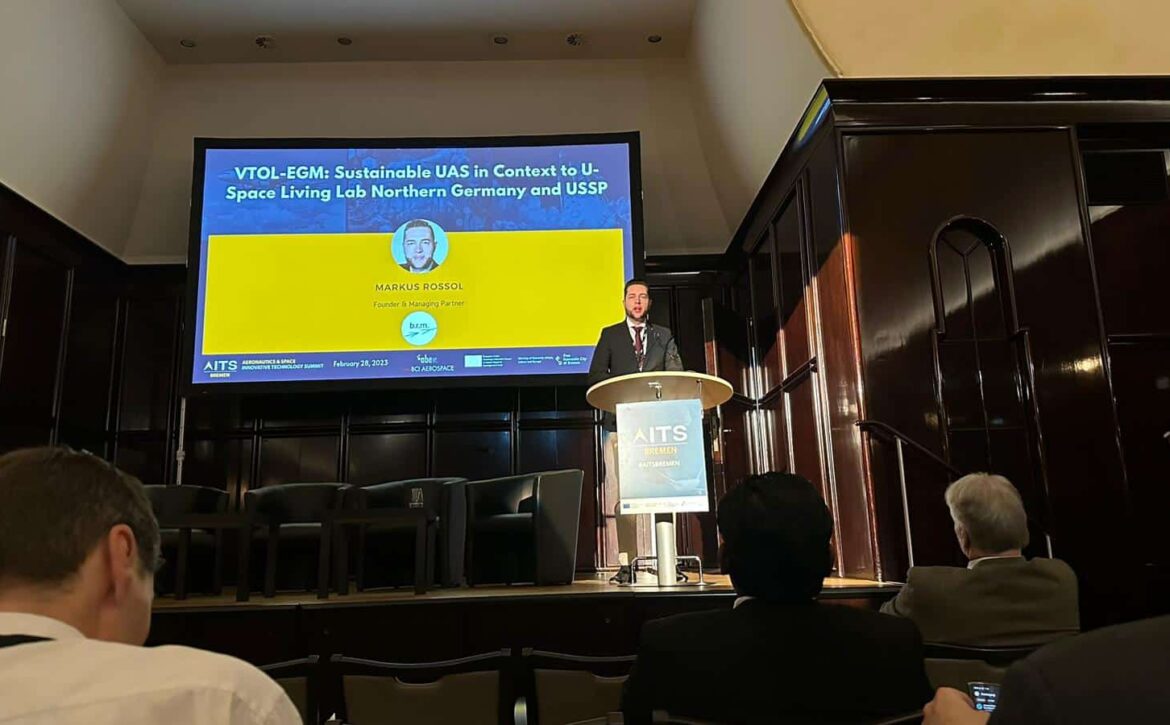
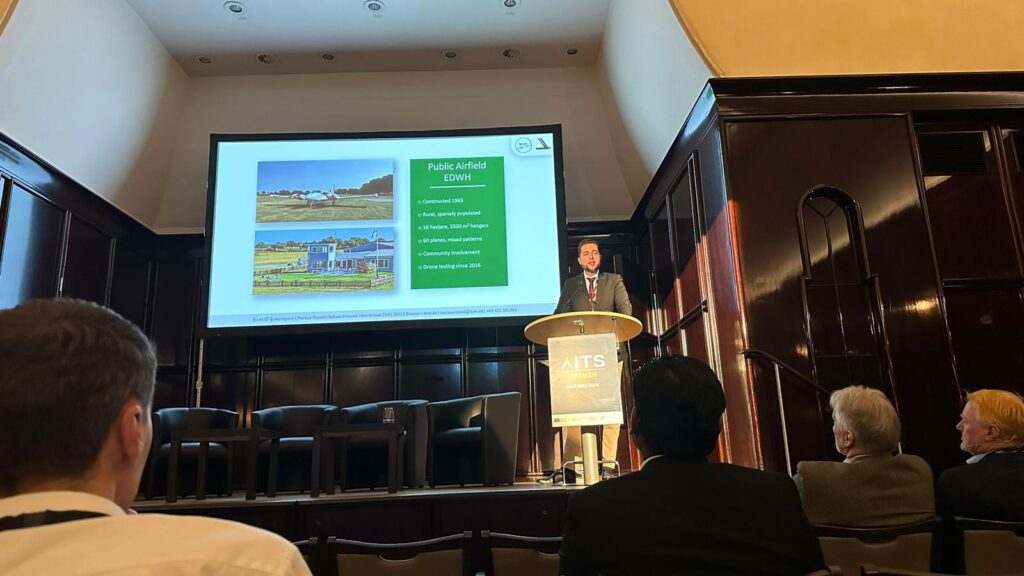
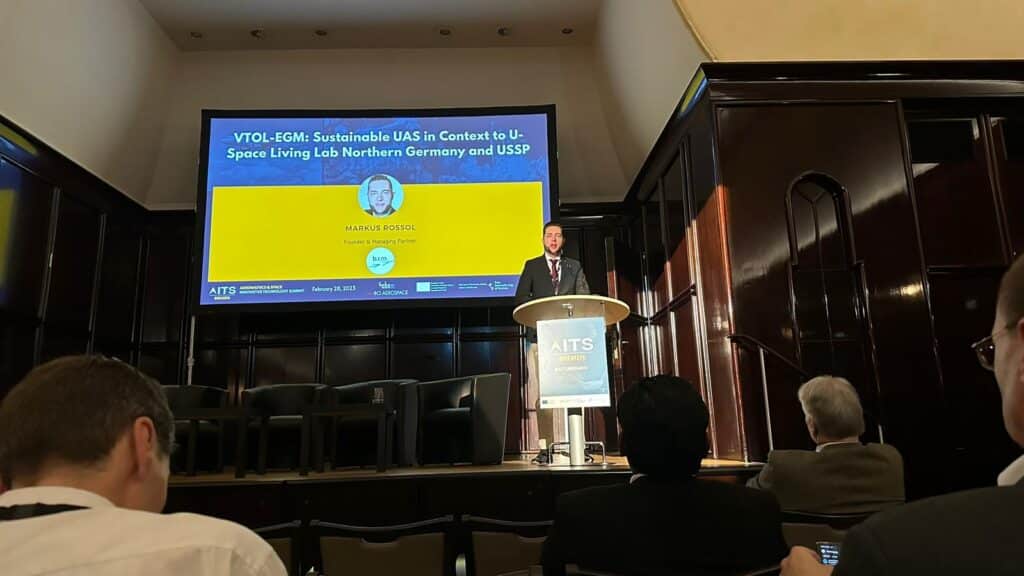
The U-Space provider Markus Rossol took part in the AITS, which took place on 28.02.23 in Bremen. At the event, the IT/UAS consultant reported on the results of the VTOL-EGM project and the U-Space Real Lab Northern Germany & German Bight. Below are a few impressions from the AITS. You can find Markus Rossol's presentation on our website. You can also follow us on Instagram @brm_IT_Aerospace.

Markus Rossol at AITS

Another event will take place on 28.02.2023: the AITS in Bremen. The international event will take place in the Bremen concert hall "die Glocke" from 09:00 to 18:00. Also b.r.m. IT & Aerospace will also be represented at the event and give a presentation.

Topic overview at AITS

In general, the AITS is about past and future supply chains in the aviation industry. The pandemic times have shown that preparation for such events is essential. Speakers include well-known experts from the aviation industry and CEOs from institutions and associations such as Aviaspace Bremen e.V. The full agenda for the day can be found on the AITS website.

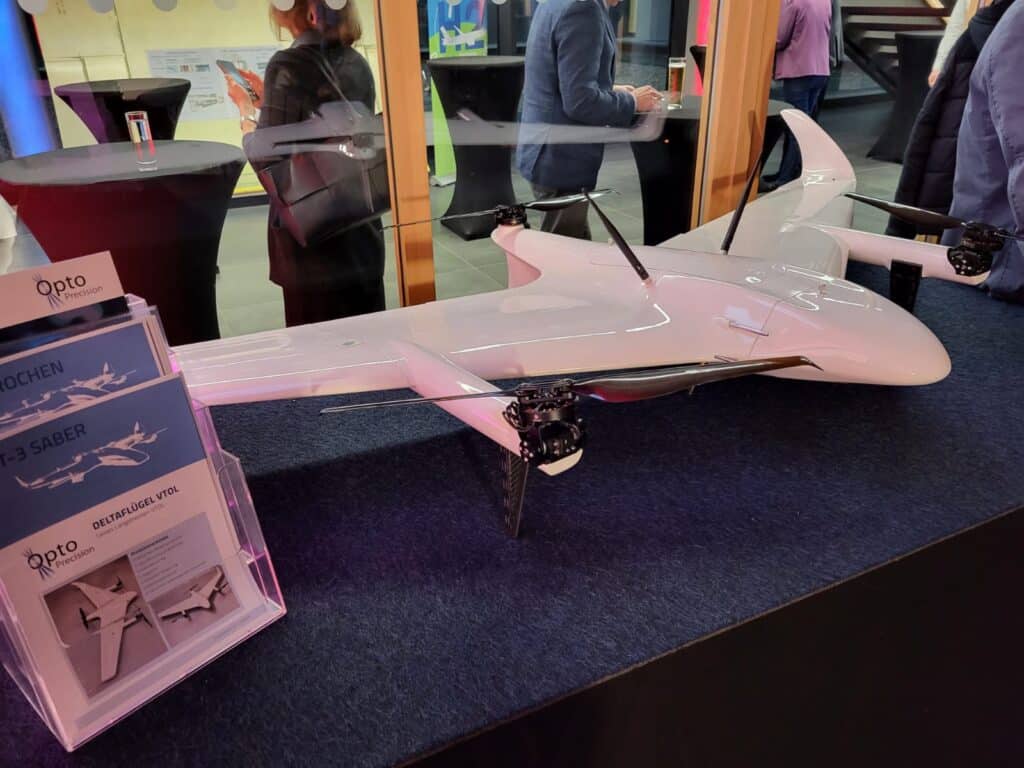
In addition to supply chains, it is also about digitalization and the use of sustainable operating models as well as the emission-free energy supply of drones. On this topic, U-Space provider Markus Rossol from Bremen-based b.r.m. IT & Aerospace GmbH presented the results and findings from the VTOL-EGM project. The Rochen-VT, a hybrid-operated drone, was used in VTOL-EGM. Markus Rossol will also be reporting at AITS on the U-Space Reallabor Norddeutschland und Deutsche Bucht, which is being used to test and integrate unmanned into manned air traffic. Further information on the U-Space real laboratory and the results to date can be found here.

You can also follow us on Instagram @brm_IT_Aerospace.

Impressions from the i2b meet-up

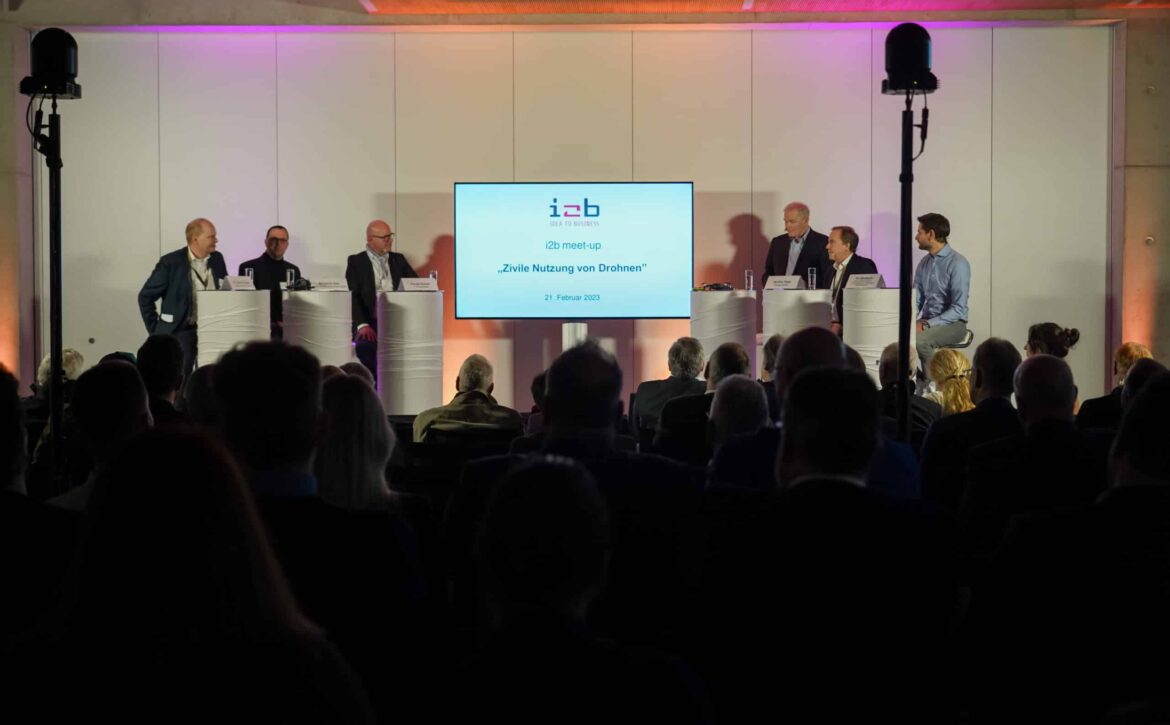
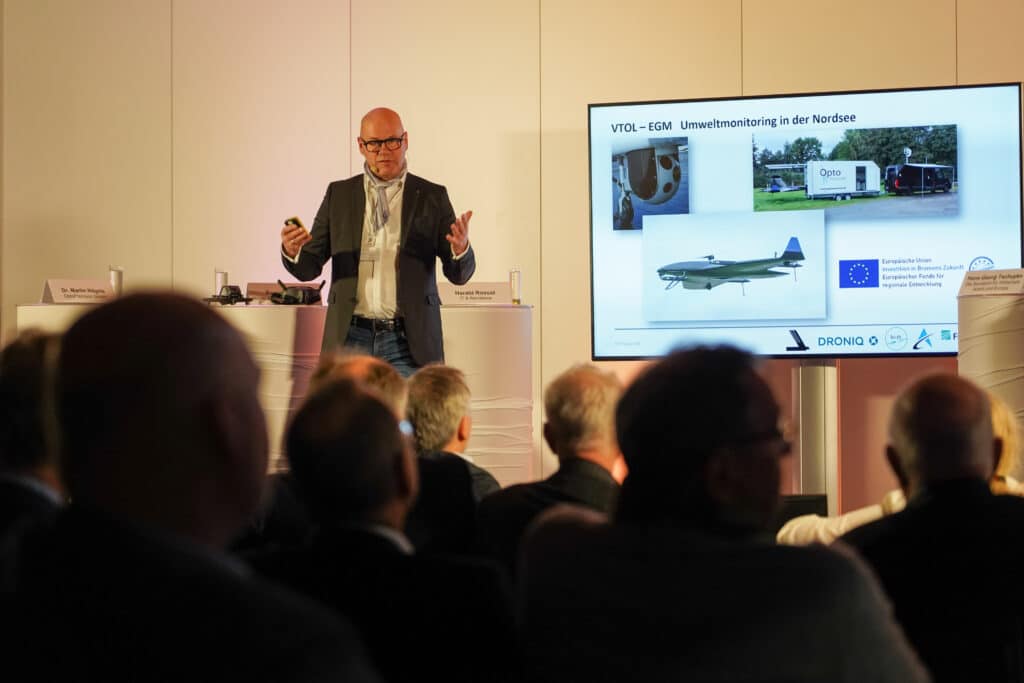
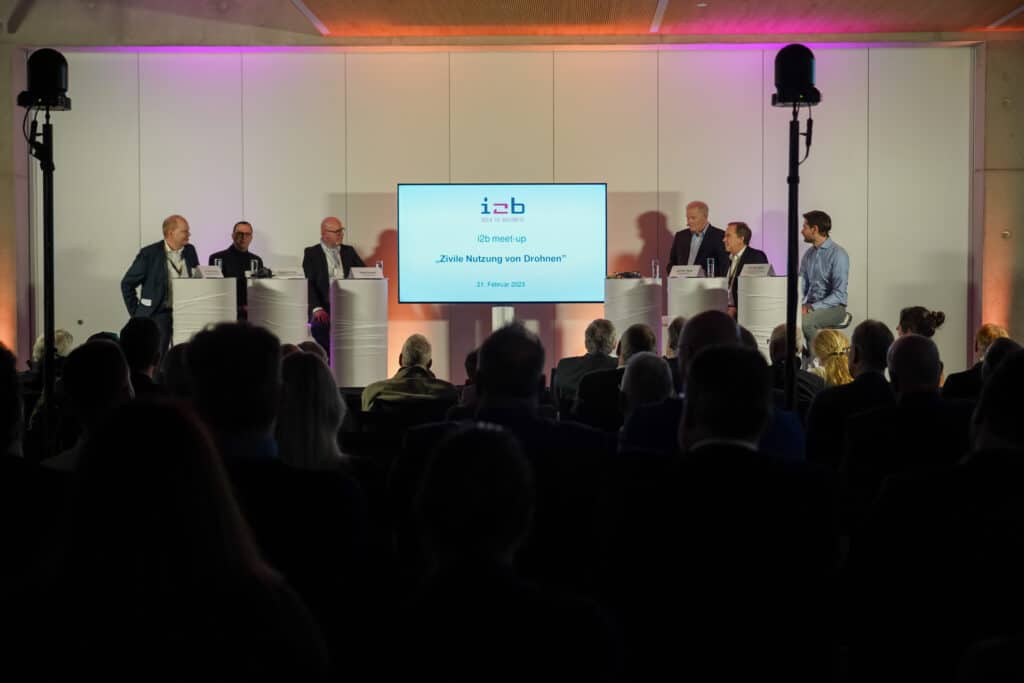
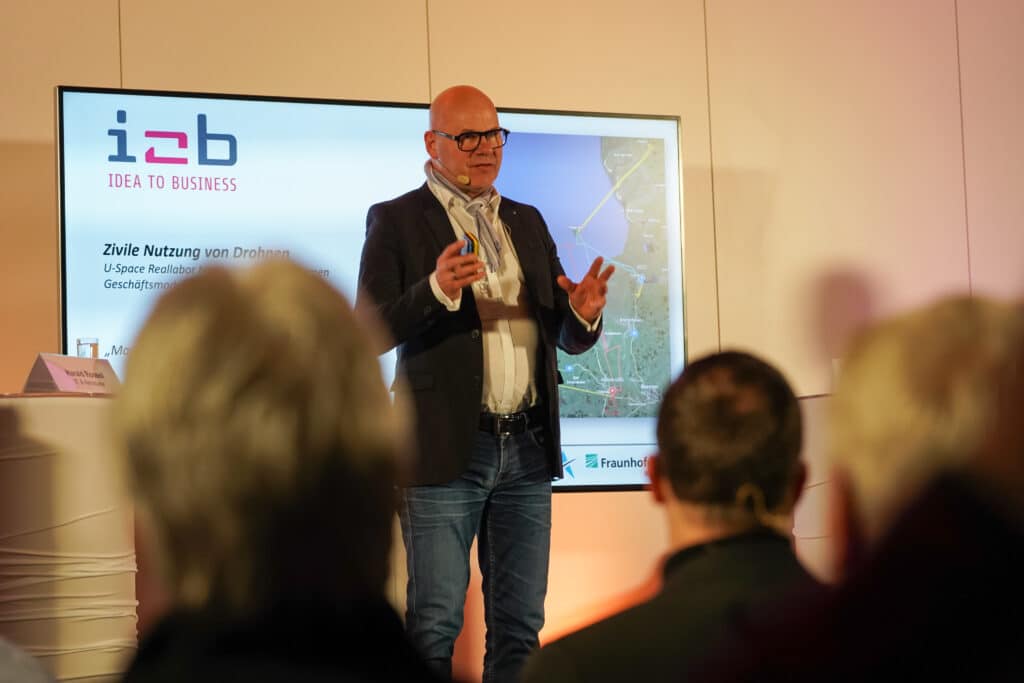
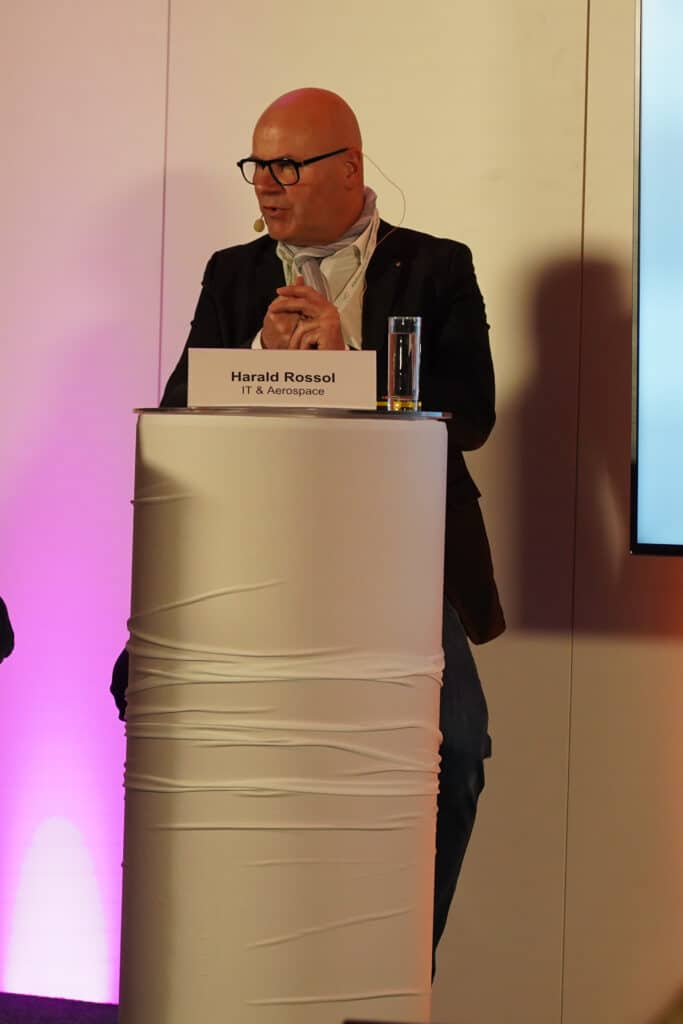
The i2b meet-up "Civilian use of drones" took place on 21.02.23. One of the speakers was the founder and managing director of b.r.m. IT & Aerospace, Harald Rossol, reported on the successfully completed VTOL-EGM project, among other things. Here are a few impressions of the event, captured by Kontrast Medien und Marketing. You can also follow us on Instagram @brm_IT_Aerospace.

LAST CALL text on red grungy round rubber stamp.

last call: i2b meet-up

The i2b meet-up on the civilian use of drones takes place today from 18:00. Last chance to take part in the event. You can follow the event both on site and via livestream. Harald Rossol, founder and managing director of b.r.m. IT & Aerospace, will make important contributions to current developments and the future of drone traffic.

i2b meet-up insight

As already announced, the i2b meet-up on the topic of "Civilian use of drones" will take place in Bremen next Tuesday, February 21, 2023.

i2b meet-up and b.r.m.

The topics will be "U-Space Reallabore Norddeutschland und Deutsche Bucht" and the "UAS-Leitstelle Bremen (USSP)". The city of Bremen, as a location for manned and, above all, unmanned aviation, and the integration of drones into the airspace will of course also be on the agenda. Harald Rossol, founder and Managing Director of b.r.m. IT & Aerospace, has published an announcement video on the new Instagram account b.r.m. Bremen published. At the meet-up, Rossol will open the subsequent panel discussion with a keynote speech. The entrepreneur will also talk about the completed VTOL-EGM project and the Hatten-UAS test center. The event can be followed via livestream from 18:00.

The Aviaspace Bremen e.V. association has already visited the Oldenburg-Hatten EDWH airfield, where the Hatten-UAS test center is located. There is an article about this on YouTube. Not only have countless drones been tested by customers at the airfield, but also the Rochen VT in the VTOL-EGM project. The airfield is ideally suited for manned and unmanned flying objects due to its location advantages.

Blurred background of businesseople meet up in success party con

i2b meet-up on 21.02.2023

On Tuesday, February 21, 2023, the i2b meet-up entitled "Civilian use of drones" will take place in Bremen. The event can be followed both on site and in a live broadcast.

i2b meet-up on 21.02.2023

Topics and panel discussion from the i2b meet-up

It is essentially about the project platform "U-Space Reallabore Norddeutschland und Deutsche Bucht & UAS-Leitstelle Bremen (USSP)" and Bremen as a location for unmanned aviation. The smooth operation of manned and unmanned aviation is absolutely essential. A U-Space Service Provider is required to ensure that the integration can take place safely.

At the event, well-known faces from the aviation industry will also report on their companies and present new ideas. Founder and entrepreneur Harald Rossol will introduce the subsequent panel discussion with a presentation and also take part in the discussion. Another topic will be the successfully completed VTOL-EGM project, which was developed by b.r.m. IT & Aerospace and two other institutions.

Further information on the i2b meet-up can be found here.

Asian business man hand holding note paper meeting working with

IFAM Workshop

The IT service provider b.r.m., together with Droniq GmbH and IFAM, held a workshop on the U-Space North-West platform and USSP Bremen on 26.01.2023. This presentation was held at the Fraunhofer Institute for Manufacturing Technology and Applied Materials Research (IFAM).

IFAM Workshop

Speakers and overview

The presentation was given by Emily Pfister, Sales & Business Development Manager at Droniq GmbH, Tim Strohbach, scientist at IFAM, and Harald Rossol, Managing Director and founder of the Bremen-based IT service provider b.r.m. The workshop participants included several interested parties, including the German Maritime Search and Rescue Service (DGzRS), which would benefit enormously from the use of drones in the North Sea. After the welcome and a round of introductions, the presentation of the U-Space North-West & USSP Bremen and the current status of the implementation of the U-Space regulation followed.

Content of the presentations at the IFAM workshop

There was also an exchange of views on current developments and the assessment of events in Germany. It was noted that there is still a long way to go before the EU regulation on U-Space, which recently came into force, is formulated in German law. This makes it all the more important to test BVLOS and VLOS in real laboratories.

The speakers then spoke to the workshop participants about the use of BVLOS in test centers. They explained about the Helgoland test center and ODCC and shared previous results and experiences. In addition, the Hatten EDWH airfield and the nearby flight school were identified as the perfect location for the Hatten-UAS test center.

As the EU regulation also mentions the involvement of local bodies and public participation procedures, the speakers at the workshop also presented the UAS Control Center Bremen USSP and the U-Space Reallabore Norddeutschland.

Finally, there was an outlook for the coming years and an appeal to politicians, authorities, science and research, etc. Participation opportunities for the participants were then presented in a list. You can also follow us on Instagram @brm_IT_Aerospace.

Concept industry 4.0 smart vehicle autonomous robot AGV (Automat

Logistics 4.0 - use of drones

Developments in industry and retail mean that logistics must inevitably adapt. The trend towards Industry 4.0 and Retail 4.0 is creating new challenges for logistics companies. The use of drones has already proven its worth in search and rescue operations in the USA and is set to be used in a wide range of industries in the future. The use of drones could therefore also become an integral part of Logistics 4.0.

Logistics 4.0 - use of drones

Previously in logistics

Drones are already being used in the areas of spare parts and emergency logistics. There, they impress with reliable deliveries to hard-to-reach locations such as high-altitude mountain stations and oil platforms. When these aircraft need spare parts, other spare parts suppliers are on hand. These service companies have specialized in these cases and offer a special speed service. The logistics specialists bring the required parts directly to the drone and repair them on site.

Progress in the commercial use of drones

Optimal logistics with the use of drones consists of the fusion of automatic evasion systems, autonomous delivery and storage. In some logistics companies, storage is already fully autonomous with the help of moving robots.

Delivery by drone could take place in the near future, as it is a rapidly growing technology and is becoming very popular. Many experts predict that more than 80% of deliveries will soon be covered by cargo drones. The drone market is booming and the global volume was already worth USD 30.6 billion in 2022. The further development of technology should also mean that heavy goods can be transported with the highest level of security. Long-haul drone flights with an aircraft size comparable to an A320 will then distribute goods across the globe. The website statista.com therefore forecasts a market volume of USD 55.8 billion by 2030.