Category: U-Space

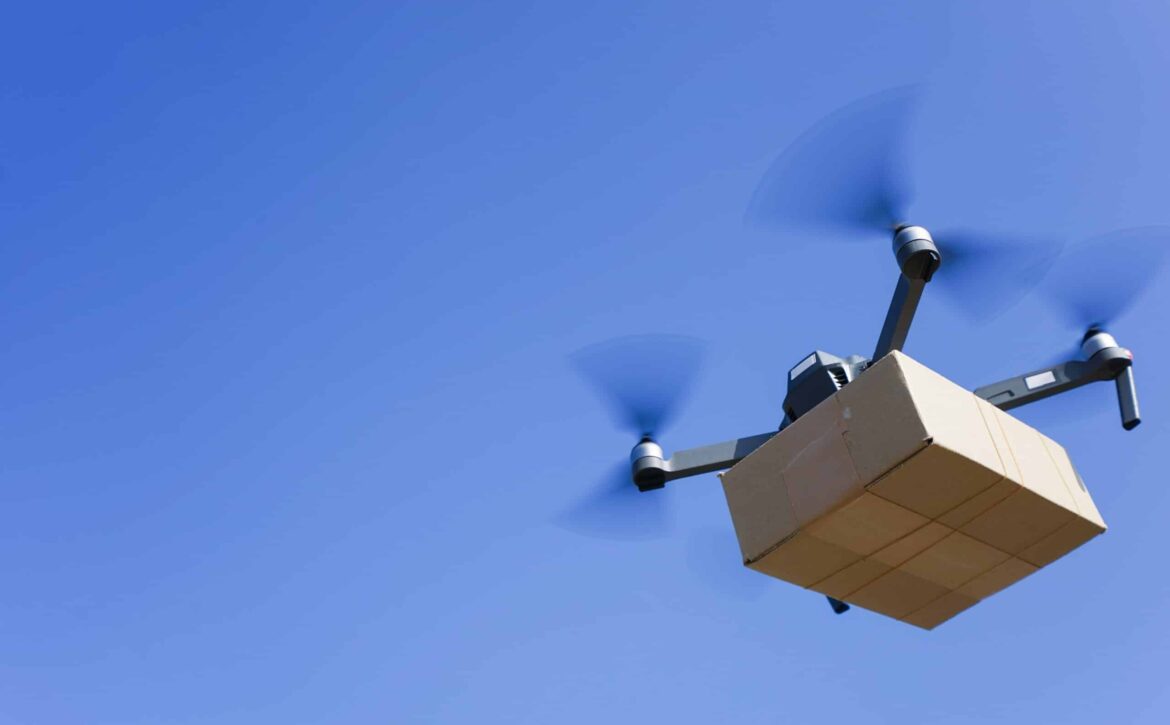
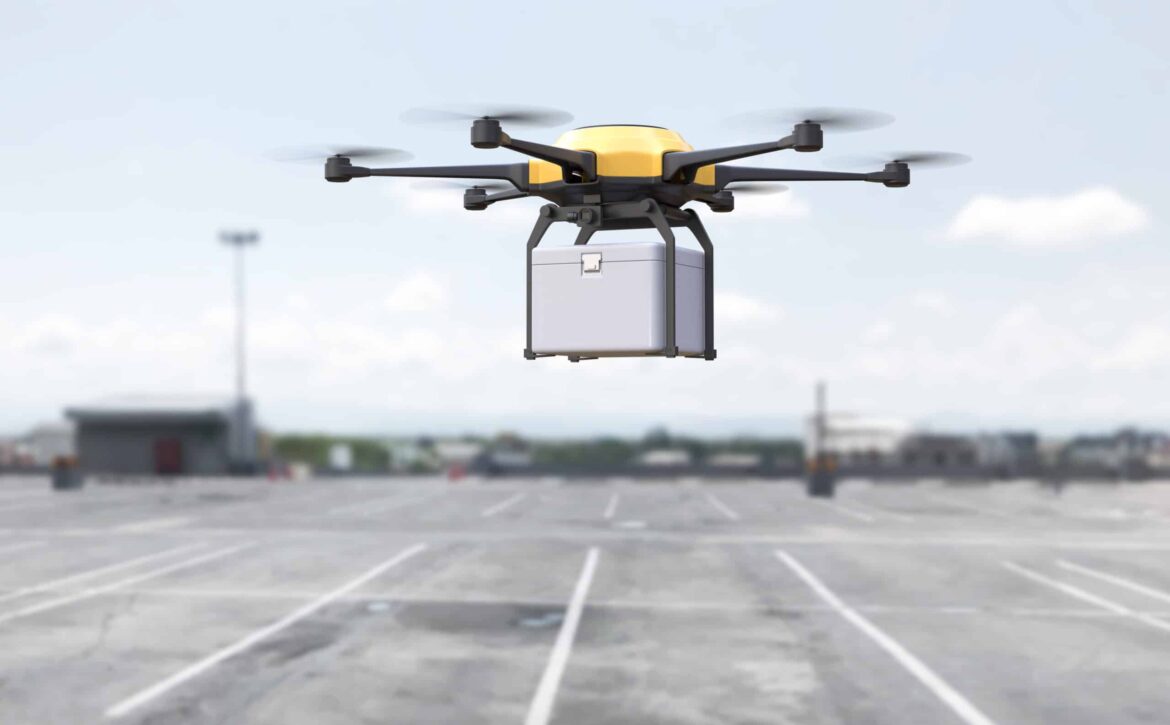
Drone for air delivery

Classes of aircraft - EU-wide CE classes

As a drone operator's license will be mandatory for most types of drones from 01.01.2023, operators should also be aware of the CE classes.

Classes of aircraft - EU-wide CE classes

CE classes

According to the new EU drone law, every drone is divided into a class. The general principle is: the greater the risk during operation, the higher the class. The seven classes are C0, C1, C2, C3, C4, C5 and C6. In most overviews of the classes, only classes C0 to C4 are shown, as the last two CE classes are based on the C3 class. A C3 drone can be upgraded to the C5 class with the help of certified components. However, the C5 and C6 classes have no height limit and no geo-awareness system. For the C5 class, a type of air brake must be installed in the flying object so that the speed is reduced before a crash.

Advantages of the new classes

The CE classes are clearly separated from each other and provide a certain overview. Each EU member state must provide binding data on the local no-fly zones and restricted areas. The data is then compiled and a standardized Europe-wide format is developed. The information contained in this format is then communicated to C1, C2 and C3 UAS pilots before take-off.

In addition, drone manufacturers are obliged to classify their drones into the relevant CE classes themselves and mark them accordingly on the drone. This means that the operator does not have to classify their drone when purchasing it, but they are only obliged to have the latest version of the formats to hand.

You can also follow us on Instagram @brm_IT_Aerospace.

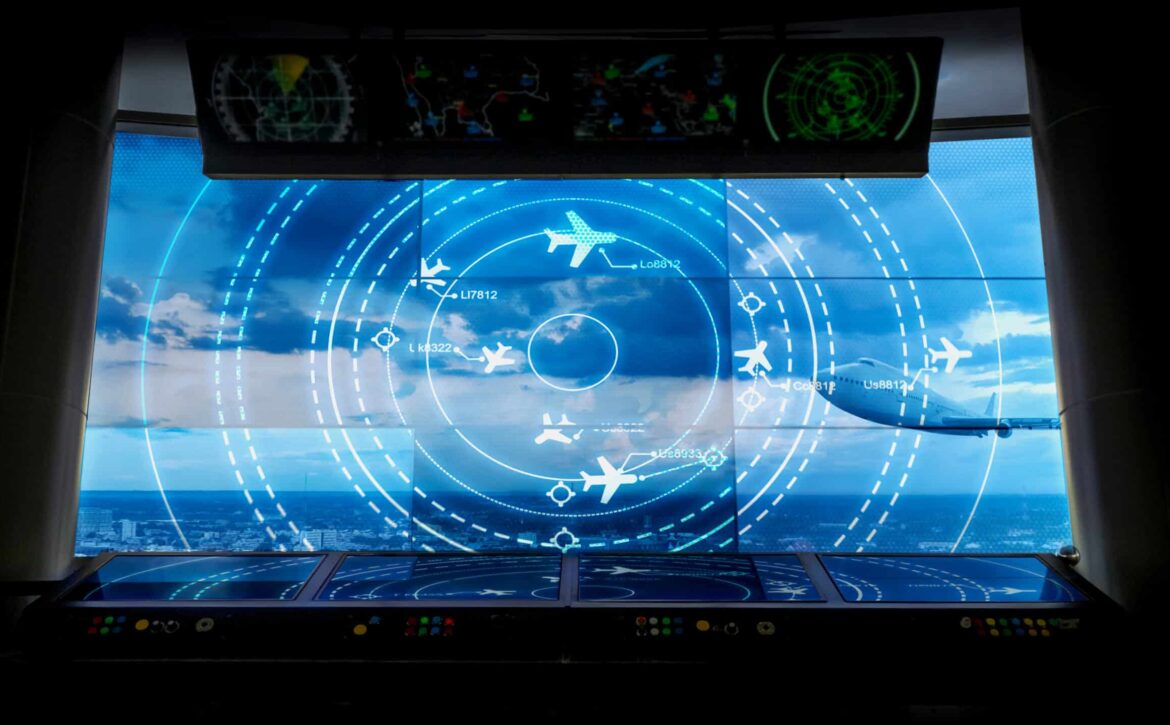
Simulation screen showing various flights for transportation and

Strategic Deconfliction

Strategic Deconfliction ensures analysis and the maximum number of safe flights. The system forms the basis for improving flight safety and the number of flights.

strategic deconfliction

Situation of air traffic controllers

To ensure a safe flight, there are controllers who ensure that the minimum distance between aircraft is maintained. However, to ensure that the controllers are not overloaded, a limited area is allocated to each controller team. These areas in turn reduce and limit the number of flights per hour.

EUROCONTROL is responsible for compliance with these airport capacity restrictions and the coordination of flights. It has the task of ensuring these restrictions. The organization also checks whether further flights are possible in a departure time window. If the minimum distance to be maintained is met and the capacity restriction is complied with at the same time, the departure times are reassigned. However, if the minimum distance between the aircraft cannot be guaranteed, a conflict arises. In the event of a conflict, the controller has the task of keeping the pilot and his aircraft at a distance. This additional work places an additional burden on the controller and reduces the capacity of his work area, resulting in additional costs.

Strategic Deconfliction

NASA has launched the Strategic Deconfliction flight safety system to reduce these conflicts in future. This conflict solution is based on data sets, sector boundaries, airport characteristics and trajectories. Trajectories are air paths that a single airborne particle passes through in a certain period of time. These components are entered into a diagram and the most efficient compromise is determined.

The data sets also include delay costs, conflict costs and constraints, all of which are included in the best possible trade-off between conflict reduction and delay. NASA has carried out a detailed analysis of the performance of strategic deconfliction. This basis then models the Air Traffic Flow Management (ATFM).

You can also follow us on Instagram @brm_IT_Aerospace.

Simulation screen showing various flights for transportation and

Detect and Avoid Radar

To improve safety in airspace, there are detection technologies that alert the pilot and then cause them to take evasive action. This technology will be particularly essential for unmanned air traffic. One example of such technology is the Detect and Avoid Radar and the Due Regard Radar. EASA is also proposing such systems.

Detect and Avoid Radar

Detect and Avoid Radar

The Detect and Avoid Radar (DAA) enables the operator of a remotely piloted flying object to safely integrate their unmanned system into non-segregated airspace. It improves the detection of the pilot through a system that surpasses the human eye in terms of range, probability of detection and accuracy.

This ensures increased flight safety and the detection of every flying object in the airspace. This technology is also weatherproof and can be used regardless of the weather.

Due Regard Radar

The Due Regard Radar (DRR) is an air-to-air radar designed to allow remotely piloted aircraft to fly in international airspace. The DRR consists of an Active Electronically Scanned Array (AESA) antenna with two panels and a Radar Electronics Assembly (REA). The system enables the pilot of the remote-controlled aircraft to recognize aircraft over the same field of view as a normal pilot. It virtually replaces the pilot's eyes. This technology allows the system to track multiple targets while continuing to search for new aircraft. Flight tests have been carried out with both manned and unmanned aircraft.

DRR is ultimately a key component of the entire aircraft Detect and Avoid architecture. The DAA must be able to detect aircraft with and without transponders and then take evasive action. The detection and tracking of cooperative (transponder-equipped) aircraft is performed, for example, by the Traffic Collision Avoidance System (TCAS) and the Automatic Dependent Surveillance-Broadcast (ADS-B).

You can also follow us on Instagram @brm_IT_Aerospace.

Microphone abstract prepare for speaker speech of conference or

Outlook for the year - RotorDrone Forum in Bückeburg

The first RotorDrone Forum took place in November 2015 and has been successfully continued ever since. The forum is all about unmanned aviation.

Outlook for the year - RotorDrohne Forum Bückeburg

Background

The Hubschrauberzentrum e.V. is the support association of the helicopter museum in Bückeburg. The association brings together helicopter enthusiasts, technicians, pilots, engineers, entrepreneurs, scientists and interested parties. The center has promoted scientific exchange through the helicopter forum and is now extending it to unmanned aviation.

The Verband Hubschrauberzentrum e.V. has organized the next forum together with Achim Friedl, Chairman of the Board of UAV DACH e.V. In 2023, the event will take place on 26.01 and 27.01 at the Bückeburg Helicopter Museum. Visitors can look forward to interesting discussions and presentations.

The program of the forum

The RotorDrone Forum provides an exciting program with various topics. The first day will focus on U-Space - integration of drones into air traffic as well as technical requirements and EU conformity testing. Among the speakers are entrepreneurs, heads of institutions and representatives of the Federal Ministry and the German Armed Forces.

The second day of the forum will focus on the environment, safety and efficiency of drone operations as well as the topic of advanced air mobility. The speakers include professors, doctors and managing directors.

The exact schedule and registration for the event can be found here.

Drone flying with plastic box

MTOM and payload - from an aviation perspective

The terms MTOM and payload are an elementary component of safety during and before the flight. They are very important, as flying objects can crash if both values are not observed.

MTOM and payload - from an aviation perspective

MTOM

In aviation, the acronym MTOM describes the maximum take-off mass of a flying object. In other words, the weight with which the aircraft can take off without being impaired. The prescribed safety margins must also be observed.

The take-off weight is made up of various components. These include the fuel, which includes the mainline fuel as well as the reserve and taxi fuel. In addition to the empty weight, the payload is also included.

Payload

The permissible payload is the maximum permissible total mass. The payload of an aircraft usually includes the cargo, passengers and baggage. When loading an aircraft, attention is paid to the distribution of the weight so that the center of gravity is centered on the wings. With the optimum weight distribution, the aircraft not only consumes less fuel, but is also easier to fly.

For vertical take-off flying objects

With regard to vertical take-off flying objects, also known as VTOL, the shift of the center of gravity must be taken into account for the payload. For drones with four or more rotors arranged horizontally in a line, the center of gravity should be in the middle of the drone. The effects are then no different than with airplanes. As with helicopters, the payload of drones should not exceed the lift force of the rotors. Otherwise a complete take-off is not possible.

You can learn even more basic knowledge about airplanes in the pilot training course at Flugschule Borkum GmbH.

Hand holding phone 3

New drone strategies

On 29.11.2022, the European Commission announced its Drone Strategy 2.0. It wants to offer the European drone market new opportunities and further developments not only to make the use of drones commonplace, but also to create the world's most advanced safety framework.

New drone strategies

Previous use of drones

In the European Union, drones have mostly only been used for smaller tasks. They have mainly been used for surveying infrastructure, monitoring oil spills and soil sampling. Sometimes drones have also been used to transport small medical supplies such as laboratory samples. There is still room for improvement in drone strategies. This is now set to change.

From the introduction of U-Space, the dedicated airspace for drones, in January 2023, the whole topic of drones is set to become part of everyday life for many people. Drones will then no longer be used solely by the military or for smaller purposes, but also for more commercial projects.

Strategies for drones in everyday life until 2030

In its Drone Strategies 2.0, the European Commission also describes its vision of the drone market in 2030, by which time drones will be performing important tasks for the general public.

Civilian drones will then be part of the emergency services. They will deliver medicines and may already be able to transport patients. They will also help with mapping, inspections and other monitoring. Flight operations should also be fully automated by then. Drones will then also act as so-called air cabs and transport people from A to B.

The Commission has come up with strategies to turn these ideas into reality. The training of pilots for the various types of drones and especially VTOLs will be renewed and expanded. In order to bring the European drone market into a commercial environment, an online platform for stakeholders and for the sustainable air mobility industry is also to be introduced. Furthermore, a strategic drone technology roadmap will enable a precise and independent organization of research and innovation.

The synergy between the civilian and military use of drones should also result in drone defense solutions for security. The Commissioner for Transport, Adina Vălean, estimates that European drone services will be worth a total of 14.5 billion euros by 2030 and provide around 145,000 jobs.

60th General Meeting of UAV DACH e.V. - Setting the course for the future

UAV Roof General Meeting Plenum
The association's annual general meeting at the Bückeburg Helicopter Museum
Source: UAV DACH e.V. / Jan Schönberg

Last Tuesday and Wednesday (November 29 and 30, 2022), the 60th Annual General Meeting of the UAV DACH e.V. - Association for Unmanned Aviation took place. The UAV DACH e.V. office had invited guests to the German Helicopter Center in Bückeburg. In addition to the extensive agenda items, there was of course plenty of time to talk about the drone economy and meet new and old faces.

Specialist groups and close cooperation with the authorities

The chairman of the association, Mr. Achim Friedl, led those present in the hall and those connected online through the extensive agenda. The addition of 18 new members brings the association to a total of 256 members from the various sectors of unmanned and manned aviation. Particular emphasis was placed on the work of the UAV Dach e.V. specialist group, which was carried out in closer cooperation with the various authorities.

Chairman of the Executive Board Mr. Achim Friedl
The Chairman of the Board, Mr. Achim Friedl, guided the members through the conference
Source: UAV DACH e.V. / Jan Schönberg

AG Zukunft - New concept presented and adopted at the general meeting

In order to put the association on a solid footing for the future, the Future Working Group drew up a comprehensive concept. This was presented in detail on Tuesday and highlighted the association's good features and those in need of improvement. A number of resolutions were derived from this, such as the expansion of the Executive Board and a more division-specific structure. The members voted in favor of this future concept by a large majority, and the first part is already being implemented.

New interim Management Board

The new Board of UAV Dach will also be elected until the next Annual General Meeting in the new year, and an interim Board has been appointed to bridge this period. Mr. Achim Friedl, Ms. Sabrina John and Dr. Gerald Wissel were elected as interim board members at the general meeting to continue the business until the new board is elected.

Interim Chairman of the UAV DACH e.V.
Interim board of UAV DACH e.V. (from left: Dr. Gerald Wissel, Ms. Sabrina John, Mr. Achim Friedl)
Source: UAV DACH e.V. / Jan Schönberg

Call center help line service. Rear view of female operator in h

BZF - Aircraft radio certificate

Aircraft radio was introduced for communication in aviation. This was divided into different classes, including BZF I and BZF II.

BZF - Aircraft radio certificate

What BZF is

The restricted radiotelephony certificate is a radiotelephony certificate for the flight service. There are different classes of this certificate with different authorizations. The first class (BZF I) entitles the holder to use radiotelephony in German and English in accordance with visual flight rules.

There is also the BZF II, which allows radiotelephony within Germany in German according to the visual flight rules.

You can find detailed descriptions of other classes of aircraft radio certificates on the website of the Federal Network Agency.

Why this is relevant for drones

As the BZF I and BFZ II are valid for visual flight, unmanned flying objects, i.e. UAV and UAS, are also included. For users of the VLOS, EVLOS and BVLOS operating modes, the aeronautical radio certificate is not uninteresting, as communication with the USSP will be mandatory from January 2023 as part of the new regulation.

The flight radio certificate is therefore also important for the USSP, as it must communicate with the pilots to ensure the safety of the drones.

Due to the new regulation, it is also advisable to have a radio operator's certificate in addition to a drone driver's license or remote pilot's license when flying drones.

The UAS team at b.r.m. IT & Aerospace has many qualifications and awards. The IT and UAS consultant Markus Rossol is in possession of the BZF I certificate. The license for the restricted radiotelephony certificate I for the aeronautical radio service is issued by the Federal Network Agency for Electricity, Gas, Telecommunications, Post and Railway.

Aircraft top view icon set. Set of black silhouette airplanes, jets, airliners and retro planes icons. Isolated vector logos template on white background.

SESAR

SESAR was created to ensure that the symbiosis in air traffic can take place properly.

SESAR (Single European Sky ATM Research Program)

What is SESAR?

The Single European Sky ATM Research Program, SESAR for short, is a pan-European initiative. It was initiated by the European Commission and the European Organization for the Safety of Air Navigation (EUROCONTROL). Its tasks are similar to those of JARUS.

Together with all partners involved in air traffic, the initiative aims to ensure that national airspaces grow together. To this end, European air traffic management services must be standardized, harmonized and synchronized. The goals of SESAR include tripling the capacity of the air traffic sector and increasing safety tenfold. In addition, flights are to become more environmentally friendly and air traffic management more cost-effective.

Urban Air Mobility

In addition to conventional air traffic, SESAR is also working on the integration of drones into existing airspace. To this end, a new concept is being presented: Urban Air Mobility.

This SESAR concept divides the areas under the drones into Rural, Suburban, Urban and Airport. Rural refers to rural areas with trees and small houses. Suburban areas are small suburbs of metropolitan areas with medium-sized houses. In Urbans (city centers), landing pads are planned in addition to high-rise buildings. These can be used for both helicopters and drones. The Airport area is the most difficult zone, as this is where manned and unmanned aircraft meet.

How this system works in detail is described on the SESAR website.

b.r.m. and the drone industry

The employees of Bremen-based IT service provider b.r.m. first underwent further training and then the company evolved into b.r.m. IT & Aerospace has evolved. The company is perfectly suited as a USSP thanks to its many years of experience in IT and its GDPR-compliant data center. Sufficient efforts and countless contacts have already firmly anchored b.r.m. in the drone industry. As a result, b.r.m. IT & Aerospace has important contacts such as Senior Aerotechnical Consultant Maximilian Strauß at its disposal.

Market pressure - b.r.m. IT & Aerospace in Drones magazine

The USSP b.r.m. and U-Space Norddeutschland are featured in the January issue of the trade magazine Drones to coincide with the entry into force of the EU Implementing Regulation on U-Space. The market pressure is there. Read the exclusive article here in advance:

This article was published in issue 1/2023 of the trade journal Drones, the magazine for the drone economy. This and all other available issues are available in the magazine store at https://www.alles-rund-ums-hobby.de/drones/ .