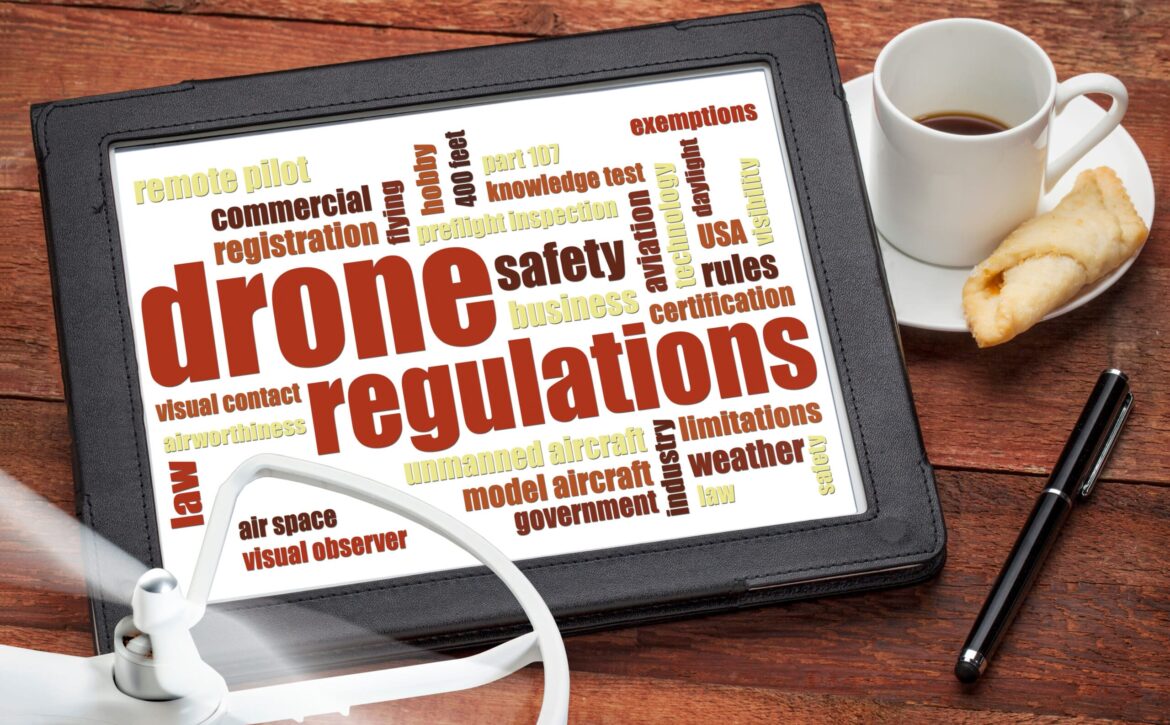
drone regulations word cloud

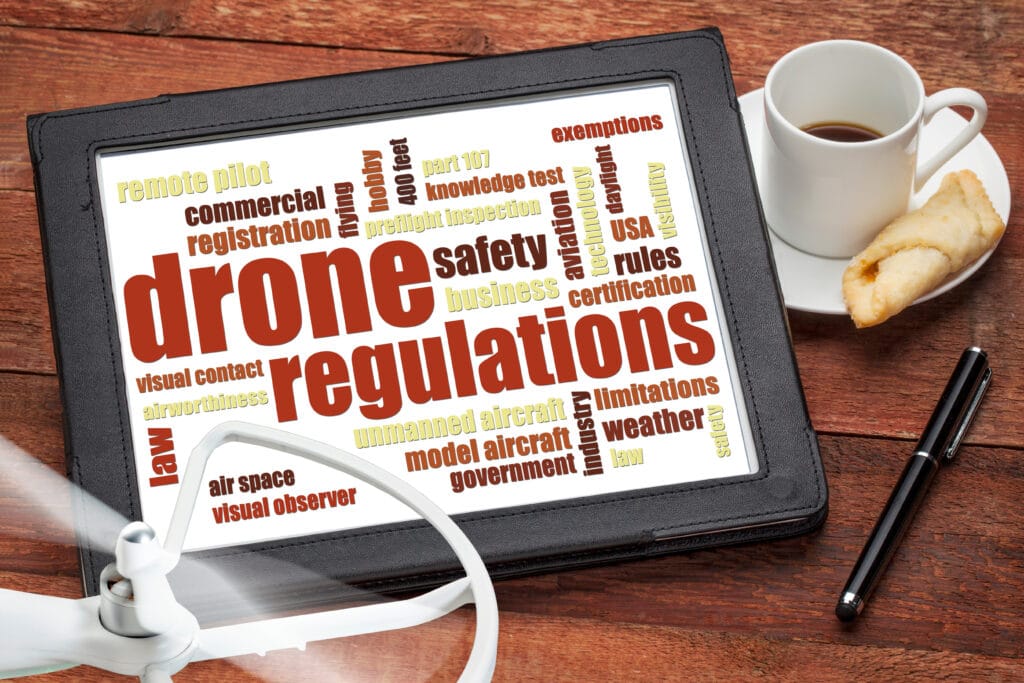
SERA - standardized rules in European airspace

A new regulation for European airspace has been in force since 05.12.2014: SERA. It creates uniform rules for pilots. These also apply to UAS and UAVs.
SERA - standardized rules in European airspace

Rough content of the SERA (2014)

In Germany, airspace F (Foxtrot) will disappear with immediate effect and will be replaced by the mandatory radio zone (RMZ). The RMZ stipulates that radio communication equipment must be carried and operated for all flights in this airspace. According to German Air Traffic Control (DFS), the RMZ can also be used in airspaces E, F and G.

In addition, the definition of day and night changes. Night is defined as the hours between the end of civil twilight and the beginning of civil dawn. Civil twilight therefore ends in the evening and begins in the morning when the center of the sun's disk is 6° below the horizon. This rule should also not be neglected with regard to the transponder and recognition obligation in airspace. However, as national and European law collide on this point, there will be differences between countries. Nevertheless, civil twilight in Germany lasts around 40 minutes. However, it can be assumed that Germany will stick to the old regulations, as there is already a regulation on day and night in paragraph 2 of the draft of the new Air Regulation.

Further detailed information can be found on the website aerokurier.de.

Latest changes (March 2022)

The revision of the Easy Access Rules (EAR) for the SERA of 2022 resulted from the EASA decision. It includes the introduction of accepted verification procedures (AMC) and guidelines (GM) for radiotelephony phrases for the provision of aerodrome flight information services (AFIS).

In addition, the EAR is displayed in an "easy-to-read" format with advanced navigation features using links and bookmarks. They are also available as dynamic online publications with filters, search functions and navigation for computers, tablets and cell phones.

Further information can be found on the EASA website.
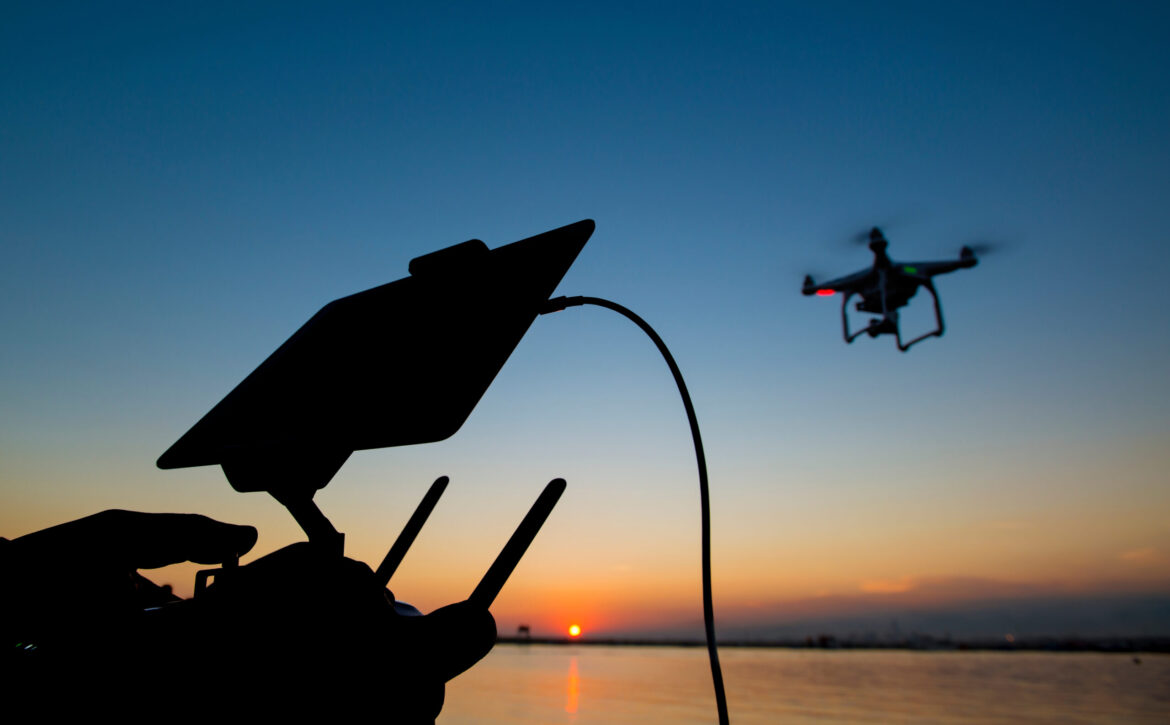
Drone

VLOS, EVLOS and BVLOS

The VLOS, EVLOS and BVLOS are essential for flight. In addition to the usual regulations, such as certification and training, the operating modes must also be observed for drone operations.

VLOS (Visual Line of Sight)

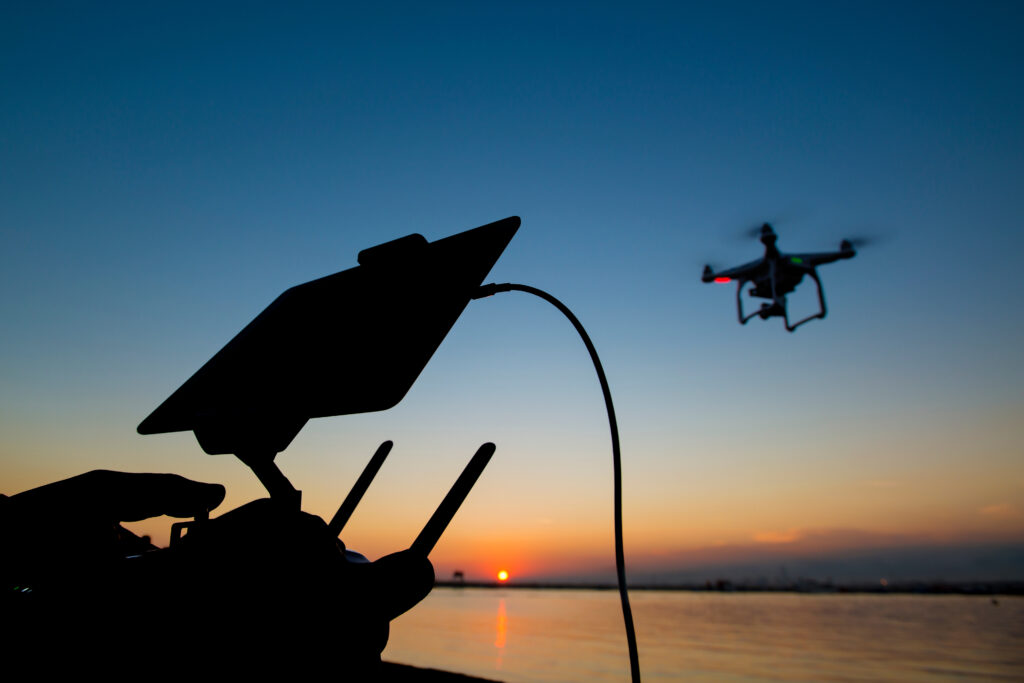
In VLOS (visual line of sight) mode, the remote pilot must have uninterrupted and direct visual contact with his drone. He must be able to recognize the flight position without optical aids.

The exact visibility range depends on various factors. The type of drone, the weather and the lighting conditions are very important. As a rule, the larger the drone, the greater the distance. Smaller drones can be seen at 60-90m, while larger UAS can sometimes be operated at a distance of up to 130m.

EVLOS (Extended Visual Line of Sight)

Drone operation in extended visual contact is called EVLOS. The drone pilot is supported by one or more trained airspace observers, usually by radio. This ensures uninterrupted situational awareness of the airspace. This can also be done by technological means.

BVLOS (Beyond Visual Line of Sight)

The flight beyond visual line of sight is abbreviated to BVLOS. The remote pilot does not need direct visual contact with the drone, so it is the opposite of VLOS. A special permit from the responsible authority is required for this type of operation. Otherwise, flights outside of direct line of sight may not be covered by liability insurance.

The instruments of a Ground Control Station (GCS) or a Remote Pilot Station (RPS) are often used for this purpose. With the latter method, control of the flying object is ensured by communication between satellites, tower and other flying objects in the vicinity.

If you have any questions about drones, our employees Strauß and Rossol at b.r.m. will be happy to help you.

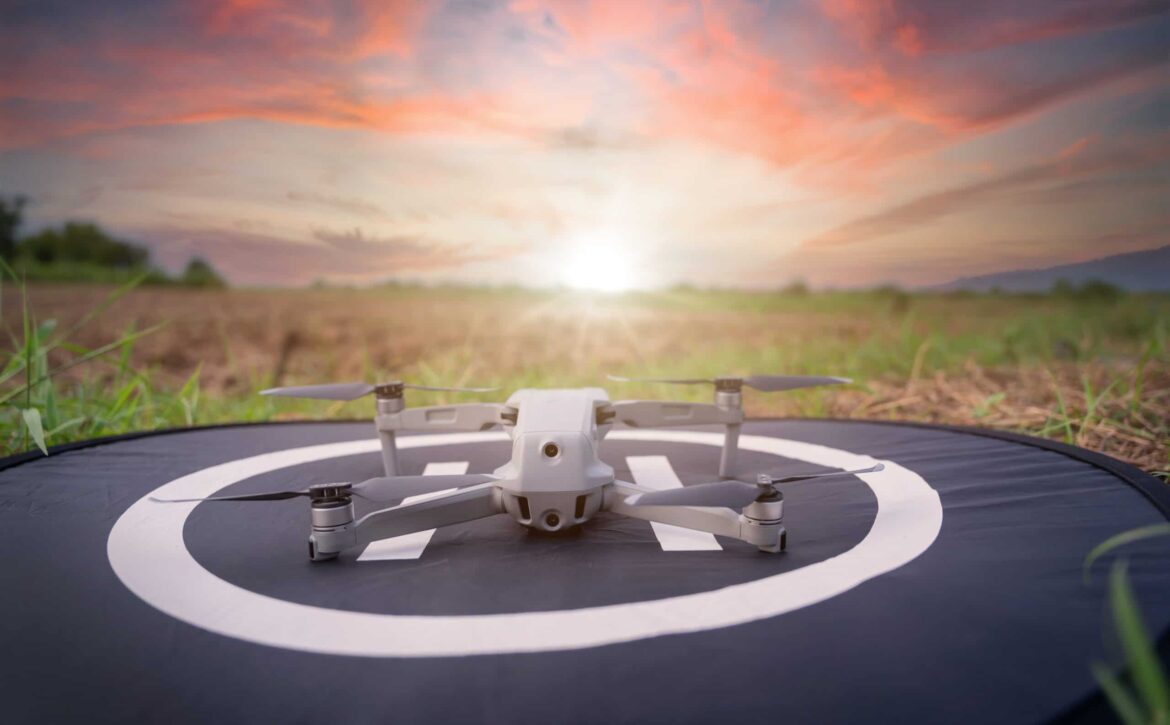
Starting point at pilot started on a drone flight in field

Air traffic - civil drone types

It's easy to lose track of the different types of drones. Here are the three main categories.

Drones and the U-Space service provider b.r.m. | Early spring hums in the air

Drones U-Space Service Provider b.r.m.

March 20th marks the beginning of spring in the meteorological sense. Birds, bees and other insects will soon begin to roam our skies, but not only them. Drones or UAVs (unmanned aerial vehicles) have already become part of the airspace, not only as a hobby for RC enthusiasts, but also for the U-Space Service Provider b.r.m. .

The EASA has been working for some time on the cornerstones for coordinating civil drone aviation throughout the EU. To this end, the establishment of a new airspace, the so-called U-Space, is being prepared. Alongside other airspaces (such as the Gulf), U-Space is intended to enable manned and unmanned aviation to coexist.

U-Space - space for drones

A separate airspace just for drones is a difficult undertaking. After all, all aircraft have to land and take off, and any risk of collision must of course be avoided at an early stage, especially over conurbations. For this reason, the current concept of U-Space is designed to cause as little inconvenience as possible to other manned aircraft. The drones should register with a corresponding U-Space Service Provider (USSP) in the established U-Space and thus receive information on traffic information and other services that are necessary for safe operation. EASA is currently in the discovery phase in order to include transponder-free flight participants. Under the term iConspicuity, existing technologies such as ADS or Mobile are to be used to make every flight participant a conspicuity. This information can then be used to avoid a dangerous approach in advance.

What is a U-Space Service Provider?

The USSP (U-Space Service Provider) will be used at the interface between unmanned and manned space flight. It will provide various services to enable drone operators to navigate safely through U-Space. The core tasks will be the processing of "flight authorization" and "strategic de-confliction". Strategic de-confliction ensures that the submitted flight plan is checked for conflicts in the airspace.

There will of course be a service for registering the drones so that both the USSP and the authorities can access the status of the UAV. In addition to the relevant traffic information, consideration is also being given to which other services are useful for drone operators.

Outlook 2022 - What we can expect

Before the end of the first half of this year, the EASA intends to issue regulations on how the "iConspicuity" visualization of manned aircraft can be implemented in a meaningful way without introducing additional equipment or even a transponder requirement. We would then be a good deal closer to the permanent establishment of U-Space and civil drone traffic would already be within reach.

In the meantime, the UAS/UAV test center is being further expanded at the Oldenburg-Hatten airfield. Take a look at our current VTOL EGM project and visit the website of our project partner Optoprecision.